
★ The Lineup ★
Musicians
Guitar - Keys - Vocals
Tom Scholz
Toledo, Ohio
Guitar - Keys - Vocals
Tom Scholz
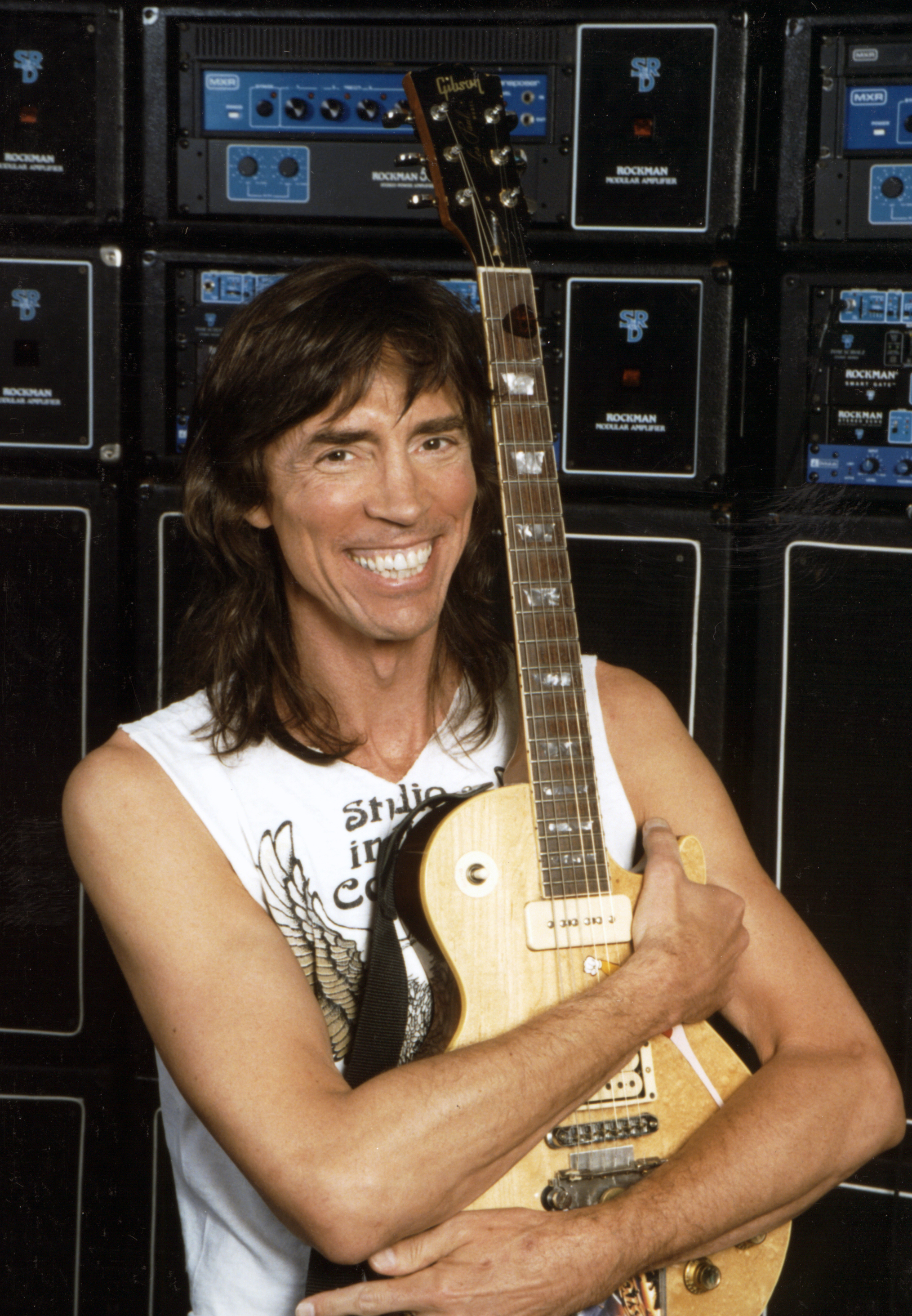
The son of an architectural designer and a landscape architect (who was valedictorian of her high school class), it was no surprise that he had such a clever and analytical mind. A top student and Varsity basketball player, he was always working out or hitting the books. “I was a complete tool back then,” remembers Scholz with a laugh. Upon graduating high school, Tom packed the ’55 T-bird that he had restored, headed east, and never looked back. Arriving in Cambridge at Massachusetts Institute of Technology, Tom put his nose to the grindstone and immersed himself in the intense curriculum, graduating 5 years later with a Bachelor’s and Master’s degree in Mechanical Engineering.
Free from the grueling pace of college, Tom took a job with Polaroid as a senior product design engineer. “It was great,” he recalls, “I couldn’t believe all of this free time I suddenly had. My work day actually ended at 5:00 PM!” Although he was working on some ground-breaking multi-media projects at the time, his real passion started when he got home from work at night. Bitten by the Rock and Roll bug from hearing the likes of The Animals, The Kinks and The Yardbirds on the radio, Tom had begun teaching himself guitar, bass and organ. Classically trained on piano as a child, Tom always had a connection with the music from the masters that filled his home when he was young, Beethoven, Rachmonov, Chopin, Tchaikovsky and Ravel among them. You can hear their influences in Scholz’s soulful compositions. It’s music that one can feel, as opposed to just hearing. Over the course of 30 years, his music has inspired many, from getting through a tough time in life, to having the incentive to pick up a guitar, or even naming their children. It’s anyone’s guess as to how many more Amanda’s and Hollyann’s there are today due to BOSTON’s third release, Third Stage.
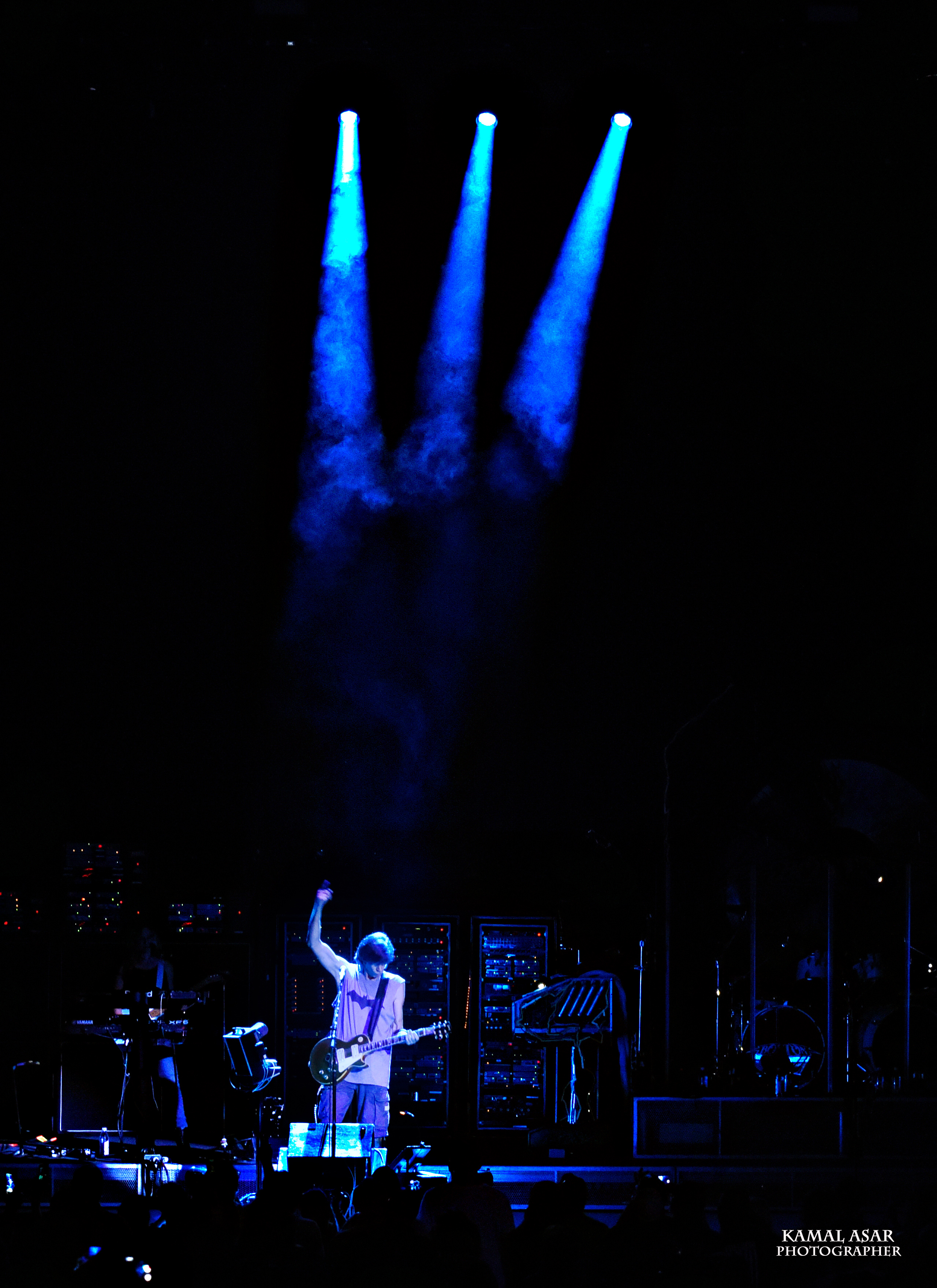
In the basement of his apartment in Watertown, MA, he had constructed a studio (spending everything he made over the course of 6 years), and was recording a demo tape that would go down in the history books. Working with Jim Masdea, a drummer that he met when he answered an ad in the paper for a keyboardist in Barry Goudreau’s band, Tom, created the tunes that would eventually land a contract with Epic. Ironically, Tom never picked up a guitar until he was 21, but when he did, he was self-taught, was a very quick study, and mastered his craft by listening to his idols, Jeff Beck, Joe Walsh, Jimmy Page and Ray Davies. Todd Rundgren was the first musician that Tom heard that utilized lead guitars in harmony, and was the spark that compelled Scholz to create his trademark harmony guitar solos.
He wrote his first piece of music, “Foreplay,”in 1969, then in the early 70’s, began attempting to play his songs live and in studios with guitarist Barry Goudreau and drummer Jim Masdea, both of whom became close friends. “Foreplay” was also Tom’s first try at demo recording made in Masdea’s old dirt floor basement. Later, attempts included Barry on guitar and Brad singing leads, made in costly commercial studios which quickly drained Scholz’s budget. Failure to capture the music he imagined on tape or a live audience, he abandoned both of these avenues. Having learned the basics of tape recording technology at Polaroid, he sequestered himself in his apartment home basement and began building a crude studio. At first, working with just a home-made 4-track recorder and mixer, he gradually taught himself audio engineering and music production. Risking his savings from Polaroid, (courageously agreed to by his wife Cindy), he upgraded to a spartan 12-track studio capable of commercial production quality.
From 1973 to 1976, he recorded demos of songs written by himself and Brad Delp. He worked exclusively with Jim Masdea to arrange and record the drum tracks, then Tom would overdub every instrument, experimenting and agonizing over each note, one track at a time, until the symphony he envisioned sprang to life. Brad then followed, similarly overdubbing every lead and harmony vocal, one track at a time. Tom continued to finance this hobby by working at Polaroid, where he also admits, “I wrote some of my best music working there.” After years of solid rejections and money running out, this formula finally paid off with a CBS recording contract offer for Tom and Brad in 1976. Scholz continued to work at Polaroid after the completion of the BOSTON debut album. Many drafting and engineering areas there allowed music from portable radios which secretly irritated Tom…they interfered with his mental song arrangement while doing his design work. He left Polaroid when the radios began playing, “More Than a Feeling.”
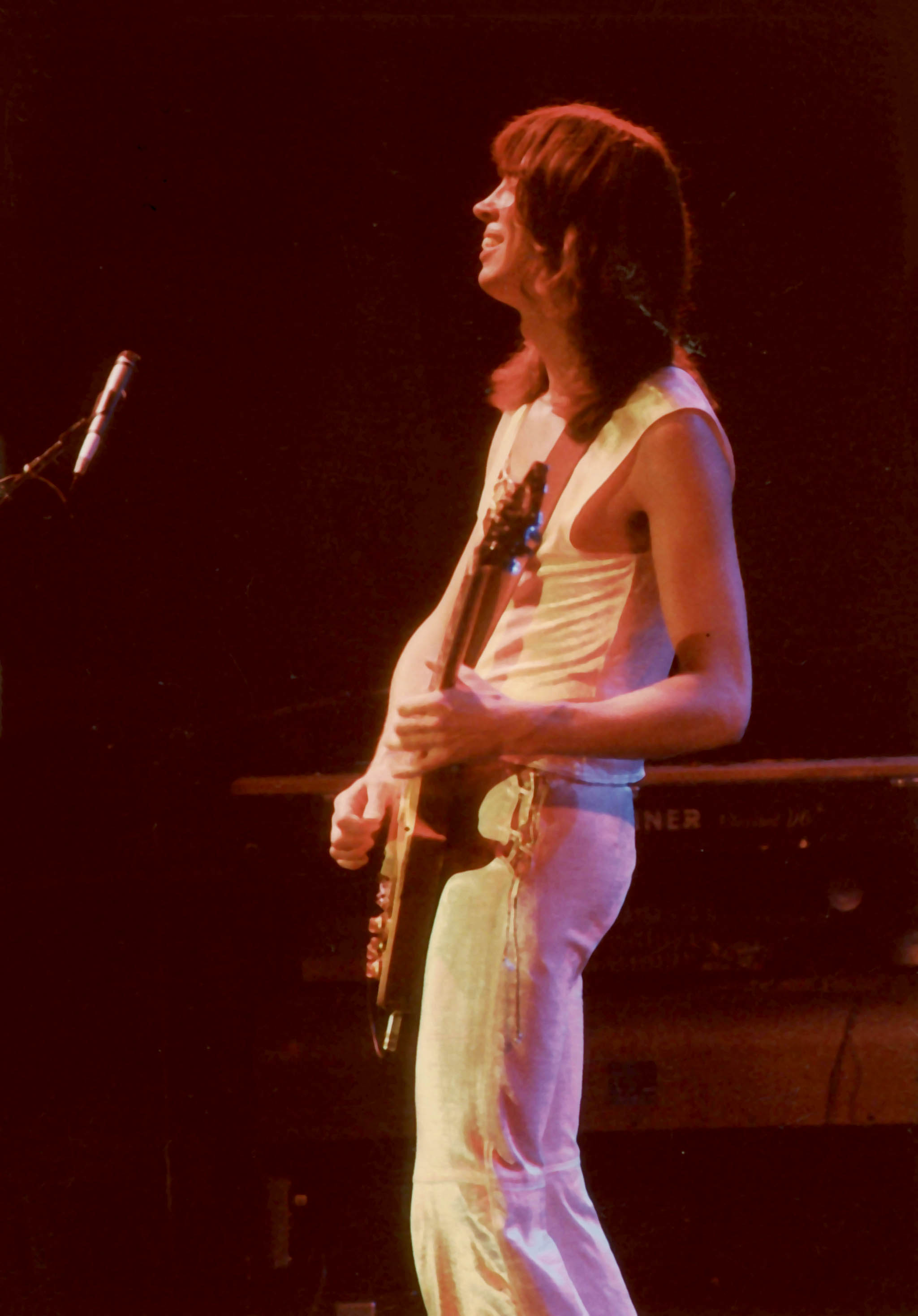
Gary Pihl remarks, “I’d like to say how he’s been an inspiration for me on many levels. Nobody I know puts more thought and effort into everything they tackle like Tom. Whether it’s music, art, engineering, humanitarian causes or personal relationships, I’ve always counted on Tom to know the right thing to do. He might say that he makes mistakes just like everybody else but I’ve seen how hard he works to try to get it right. I think working with him has made me a more inquisitive person. ‘Let’s try this, how about that, what if we did this instead, let’s look at this from the other point of view.’ When you open yourself up to every option, the good ones seem to shine through.” And shine, they do. This meticulous songwriter, producer, sound technician and inventor has nearly three dozen patents to his name. Some were from his inventions working, and some were awarded for creating the Rockman line of guitar amplifiers and effects boxes. His innovations came from the need he had to capture the sound in his head, on tape, or on stage. To develop and market the Rockman line, Tom formed Scholz Research and Development (SR and D) in the 1980’s, a business that at one time employed 70 people. He still swears by the analog method of recording, in this digital-everything day and age, saying, “Wherever there’s a microprocessor, there’s trouble.”
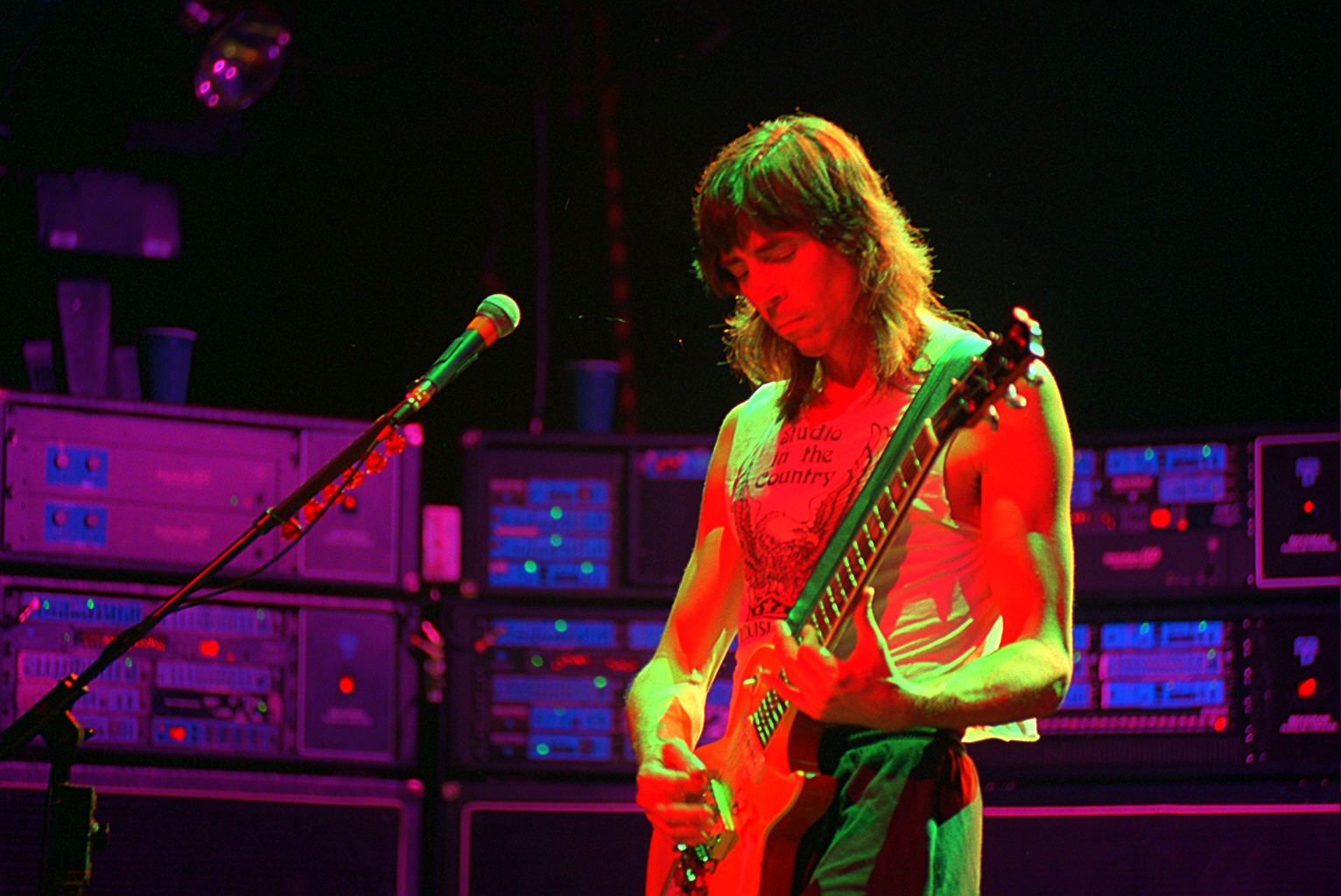
BOSTON’s newest drummer, Jeff Neal has this to say, “His long list of accomplishments, sheer talent and record of generosity towards others over the years speaks for itself. From the beginning, it has always been about the music. BOSTON’s success has been built on its sound, not its image, and Tom is responsible for this. It is one of the most identifiable and unique sounds out there, and it has stood the test of time when so many other fads and trends have come and gone. Tom is a tone master, he has incredibly discriminating ears. It really is a thing to behold to see him at work. I ‘ d like to think the experience has made me better at focusing and improving my own tone and sound.” He adds, “One of Tom’s most admirable traits is his ability to envision the entire ‘BOSTON’ experience in his head and work tirelessly and relentlessly to see that vision become a reality. In stark contrast, I only need to focus on one single element during a performance, but Tom hears and sees the entire production, right down to the smallest detail. That’s why at the end of the night when Brad says, “there would be no BOSTON without Tom Scholz,” it is totally appropriate and deserving. If it weren’t for Tom, none of this would exist… period.”
Scholz still keeps busy in his studio, although now he looks at the process as purely artistic. He is bombarded with more musical ideas than he can possibly harness, but chips away at them as time allows. Tom has been a vegetarian for over 25 years, and supports many ethical organizations with a foundation that he set up in 1987 to help animal protection, world hunger and the homeless. To date, his charitable foundation has donated several million dollars to those causes. He received the Mahatma Ghandi Award in 1987 and was named Man of the Year by the National Hospice Organization in 1988. A knee injury ended 35 years of competitive basketball, so now Tom enjoys freestyle skating, “extreme croquet,” and piloting his single-engine plane around the U.S in his leisure time. His first marriage ended in the late 80s. Presently Tom lives with his wife Kim in a suburb of Boston.
Lead Vocals · Guitar · Keyboards · Harmonica
Brad Delp
June 12, 1951 – March 9, 2007
Lead Vocals · Guitar · Keyboards · Harmonica
Brad Delp
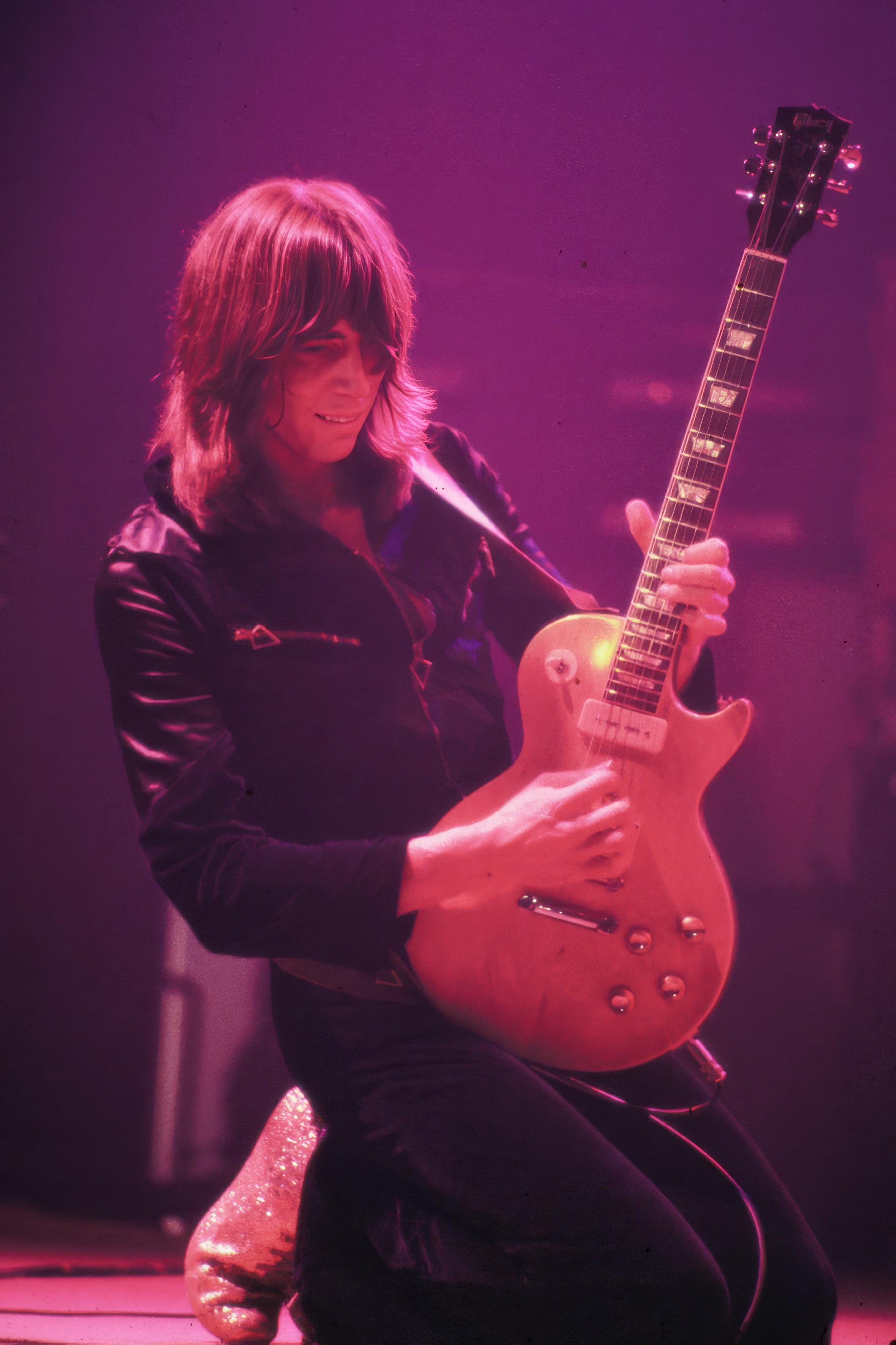
To anyone that's ever had the pleasure of listening to Brad belt out a tune, it's clearly evident that he was born to sing.
His soaring tenor defined the BOSTON sound — the voice on "More Than a Feeling," "Peace of Mind," and a generation's worth of arena-rock anthems.
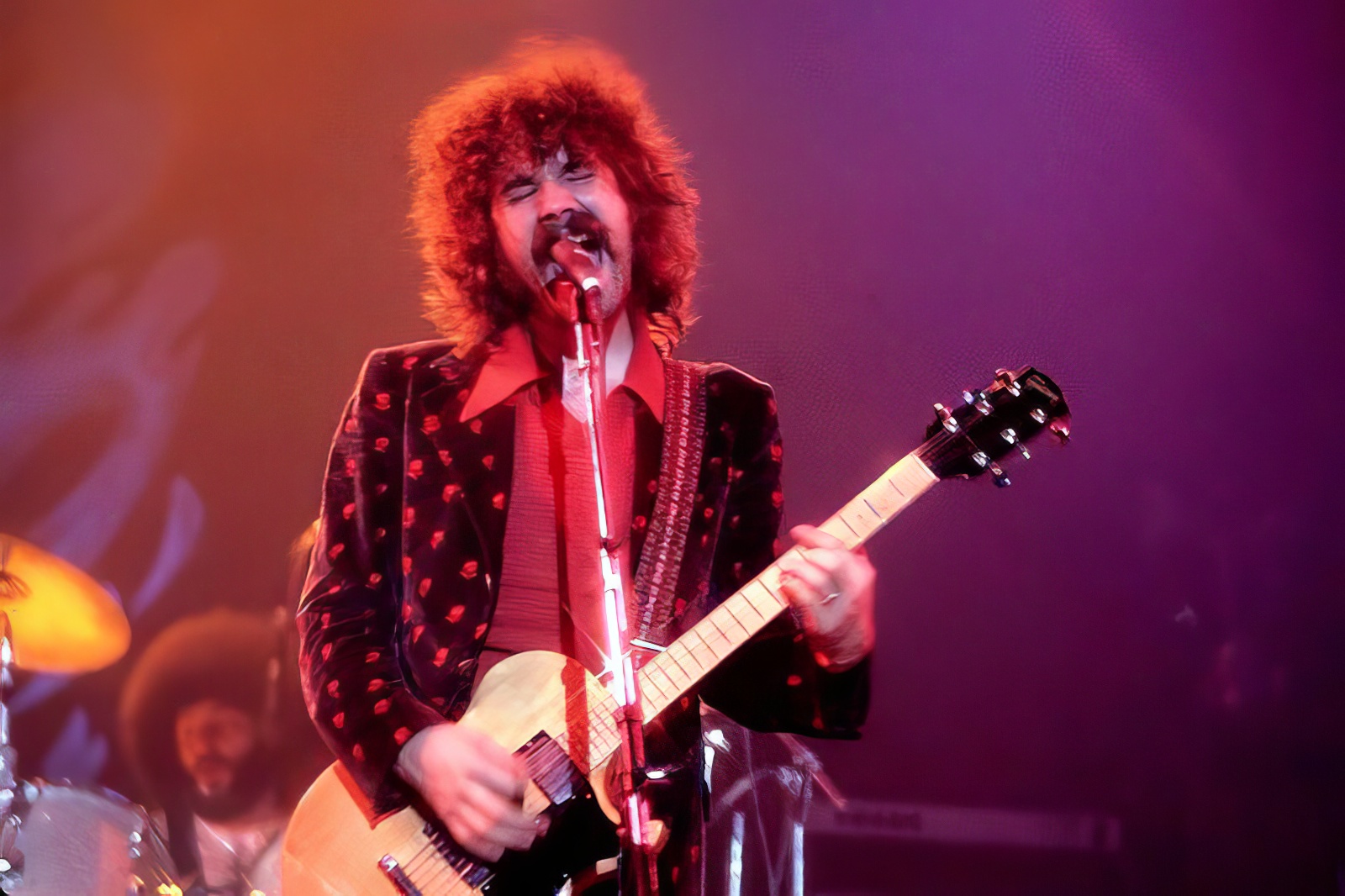
Anyone hearing Brad sing recognizes his natural vocal gift. From average suburban origins with musical inclinations, Bradley E. Delp became the voice of one of rock's most successful bands while remaining authentically himself. Rather than embodying notorious rock excess, he earned recognition as "the nicest guy in rock and roll." This gentle, kind individual graced the world for 55 years before tragically taking his own life on March 9, 2007, shocking millions who knew him and those touched by his magnificent voice.
Growing up in Danvers, Massachusetts on Boston's north shore, Brad discovered music at thirteen after viewing The Beatles on The Ed Sullivan Show. This transformative experience initiated lifelong Beatles appreciation. He immediately purchased his first guitar and began learning. Shortly thereafter, he joined The Iguanas, which evolved into The Monks throughout his high school years.
Following graduation, Brad developed his unique singing style performing regularly in early 1970s clubs while working in a factory manufacturing heating coils. Barry Goudreau, a fellow north shore musician, introduced Brad to Tom Scholz, who was recording basement studio demos. This chance encounter proved historically significant. Tom recalls: "I met Brad, soft spoken and unassuming, when he auditioned in a recording studio outside of Boston one night to sing several songs I had written. He didn't warm up; he just listened to the prerecorded instrument track once. Then he started to sing. I don't know if it took two seconds or three, but before he finished singing the first line I knew that some guardian angel had just delivered to me one of the best vocalists ever to step up to a microphone!"
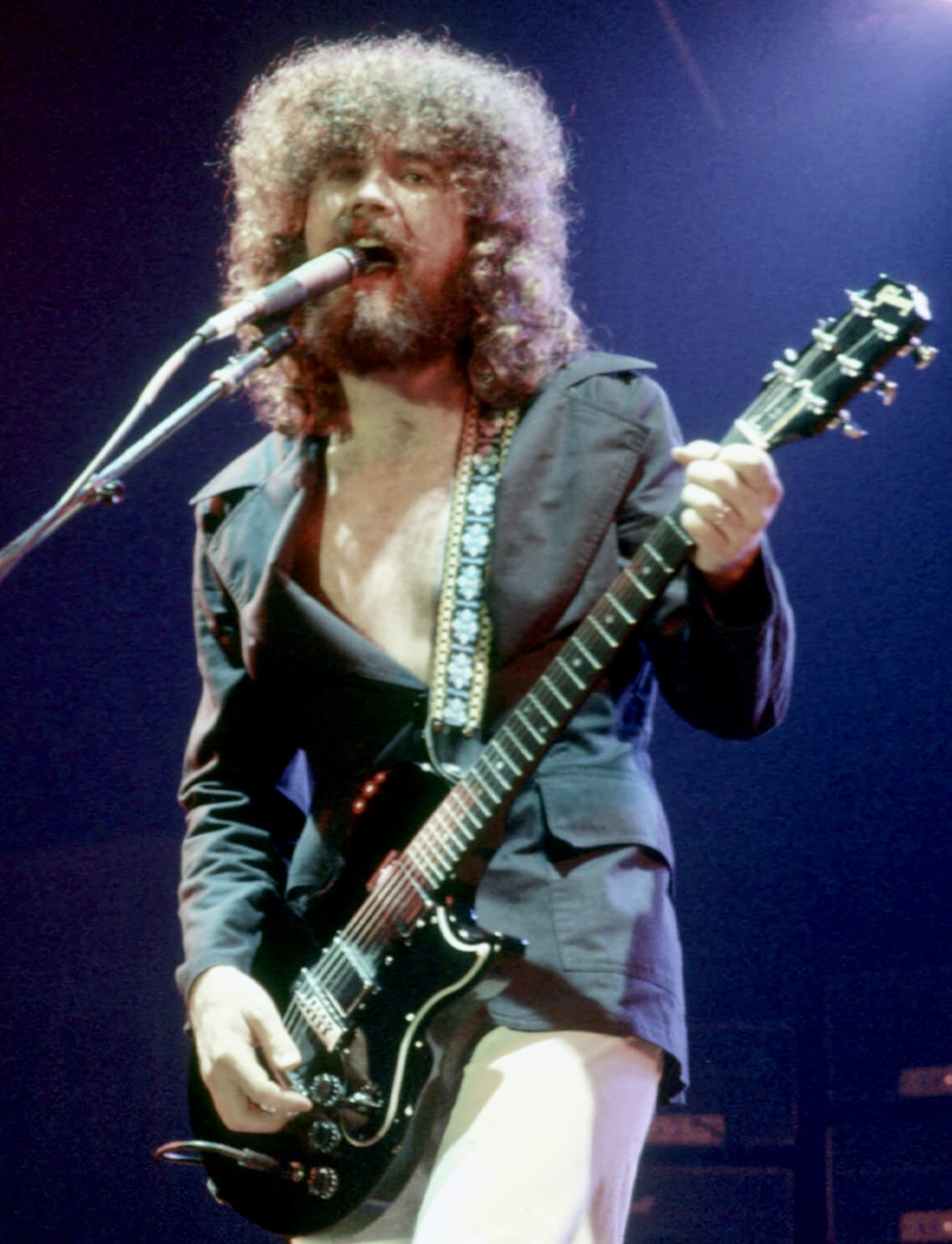
Tom continued: "Then he kept going and I realized he wasn't just one of the best, he was amazing! High notes I hadn't heard before followed by harmonies, and overdubbed exact duplicate layered tracks, all with ease, all with emotion, and yet all technically precise." Within that evening, Brad had rewritten lyrics and melody, performed all vocal sections, and transformed stark guitar riffs into complete songs.
"Brad and I banged our heads against the wall trying to get a break with record companies for five years," Tom remembers. "During that time he and I did a lot of basement recording; we received absolutely zero recognition locally and complete rejection submitting our demos to national record labels." When Epic Records finally offered a contract, both recognized their fortune after years of persistent rejection. The 1976 self-titled Boston album became the best-selling debut record of its time, accumulating over 17 million copies — the ninth best-selling record ever.
Beyond his iconic voice, Brad played guitar, keyboards, and harmonica. He was an accomplished songwriter, co-writing with Tom on first two Boston albums plus their fourth effort, Walk On. Singing lead and multiple harmony tracks (4–6 depending on the song) across the first three albums, his voice became internationally recognized. He contributed studio efforts to Greatest Hits and Corporate America releases as well.
Tom recollects the effortless vocal mastery: "There were soulful notes that pulled you into the song, stratospheric screams and angelic high notes, and after hitting these record breaking notes he'd go back and sing a harmony part above it! He didn't rehearse any of these parts, he could jump back and forth between harmony parts, double tracking parts, and then go back and do it again exactly the same with one tiny change, adjusting all the other singing parts to fit with bionic accuracy."
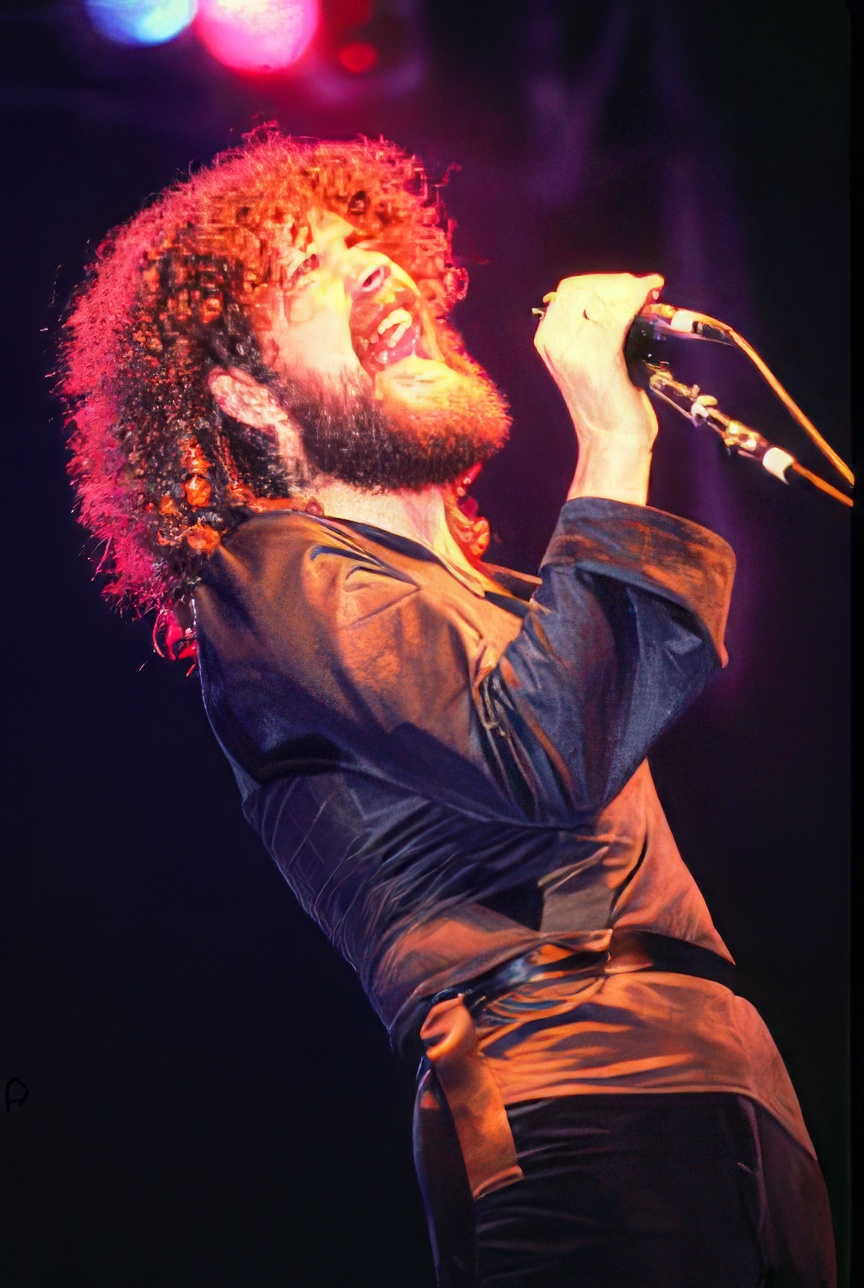
The 35-year partnership between them developed intuitive communication, with Brad noting: "Tom and I know each other so well. When we go in the studio there is a little bit of ESP." Gary Pihl observed, "Over the thirty years that I knew Brad, he seemed happiest when he was making music. His enthusiasm for working on our songs never waned."
Throughout seven Boston tours, Brad shared his gift with millions. Fans and bandmates consistently praised his ability to make everyone feel uniquely special and valued. Tom states: "You'd think anyone with this super human talent would be an insufferable egomaniac. But Brad was just the opposite, and amazingly he remained honestly humble in spite of the incredible star pressure that followed BOSTON's success."
Drummer Jeff Neal noted: "There's not much more that can be said about him that hasn't already been said a million times. One of the most distinguishable voices in all of popular music, and also one of the nicest, most down to earth guys you'll ever have the pleasure of meeting." Gary Pihl adds: "I've been in other bands where we avoided talking to fans. Brad went out of his way to make sure he met everybody, signed all the autographs they wanted and took pictures with any fan who has a camera!"
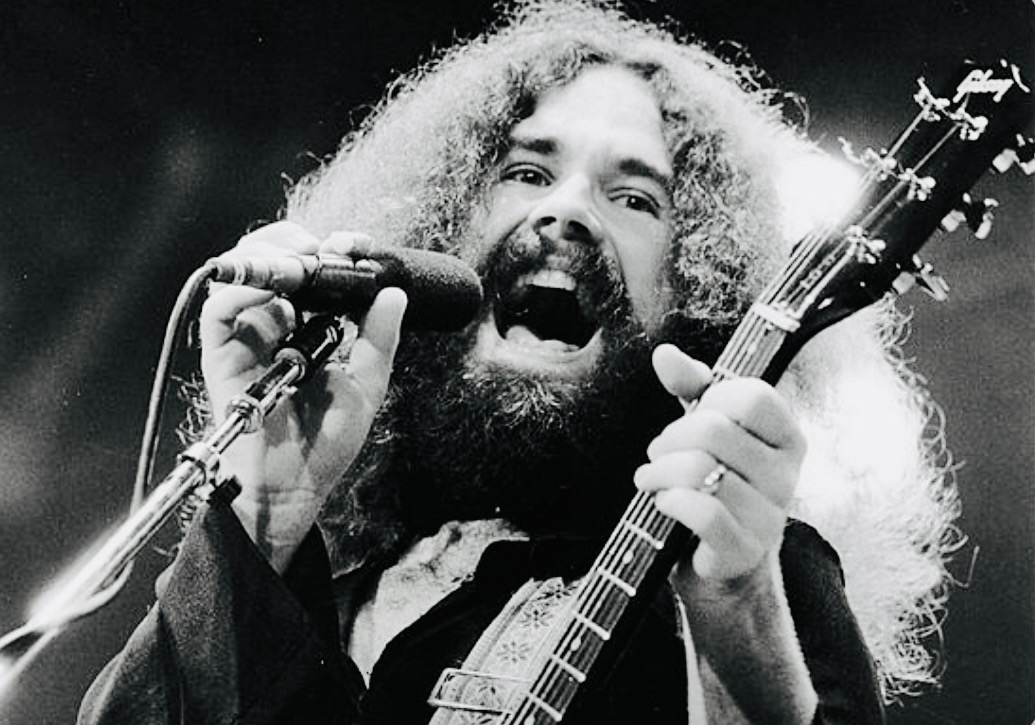
Jeff explains: "If there were such a thing as a rock & roll university, Brad would have been my first choice for teaching 'How to be a Rock Icon 101.' He was self-effacing, kind-hearted and always willing to share the attention." Bassist Kimberley Dahme remembers: "I'll never forget the first singing lesson I got from Brad. I'd just joined the band, and Brad told me to sing my harmony parts like this, 'Be a girl, sounding like a boy, trying to sound like a girl.'"
His humor consistently entertained colleagues. Tom observes: "Although I rarely remember seeing him in the throws of a good belly laugh, he could keep the people around him in stitches effortlessly, and did so on a daily basis." Former bassist David Sikes recalls touring adventures: "Fielding Mellish was Brad's registered hotel name on tour. Mine was Stiffle Hawks. I was also Moe Howard for a while. Brad and I especially had a lot of fun with these names, we were like two sneaky kids getting away with something. Brad was a huge movie fan … he could tell you who directed and starred in tons of movies, Woody characters were some of his favorites."
After early 1990s hiatus, Brad returned to record Corporate America tracks. He lent vocal and songwriting talents to various projects including Barry Goudreau's solo work, Orion the Hunter, and RTZ. Most recently, he and Barry released their collaborative 2003 effort, Delp and Goudreau. Outside Boston touring, Brad performed with Beatles tribute band Beatlejuice. Tom claims: "They sounded more like the Beatles than the Beatles did!"
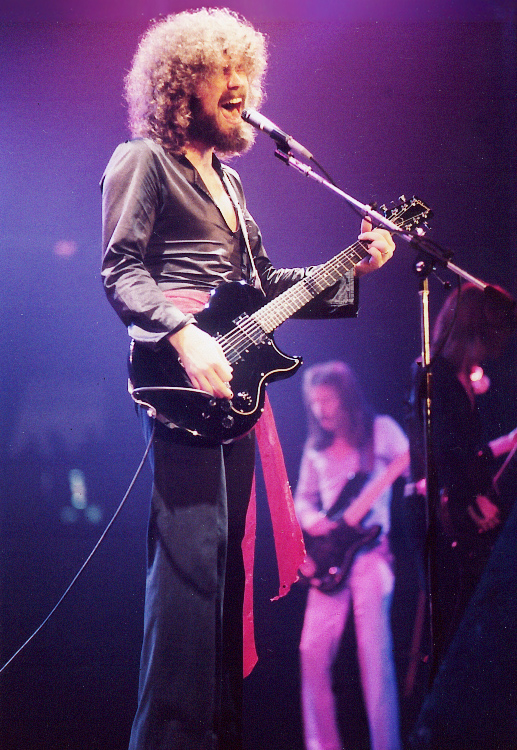
Regardless of performance context, Brad consistently delivered complete dedication to adoring audiences. He stated: "I never get tired of playing because every show is different. Wherever you do the show, there's a certain amount of pride because you don't want people to go away disappointed." Discussing Beatles performances, he explained: "I tell people that it is the only thing that I can do that makes me feel 15 again; it really does. The BOSTON thing is the only thing I can do that makes me feel 25 again. At 52, 25 is not that bad an age to be."
A vegetarian for 38 years, Brad supported various charitable causes. Until his death, he lived in New Hampshire's Merrimac Valley with fiancée Pamela, his partner for seven years. He is survived by daughter Jenna, son John-Michael, family members, close friends, and millions mourning his loss.
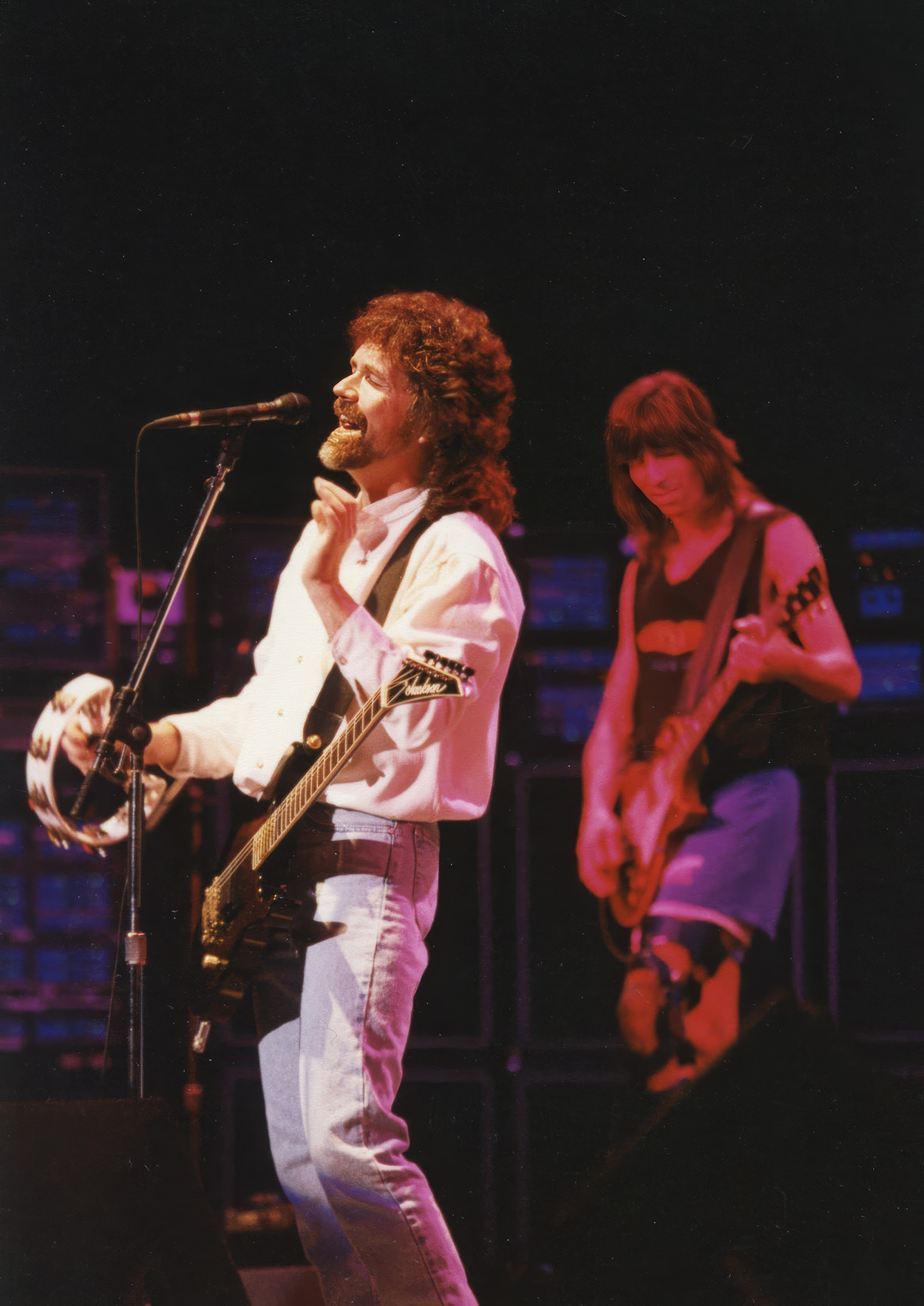
Lead Vocals
Tommy DeCarlo
Utica, New York · April 23, 1965 – March 9, 2026
Lead Vocals - Keys
Tommy DeCarlo
Born and raised in Utica, New York, Tommy DeCarlo lived and breathed sports, playing baseball, football and basketball throughout his school years.
He stepped into the impossible — fronting BOSTON in 2007 — and gave fans ten unforgettable years of soaring vocals and humble grace on stages large and small.
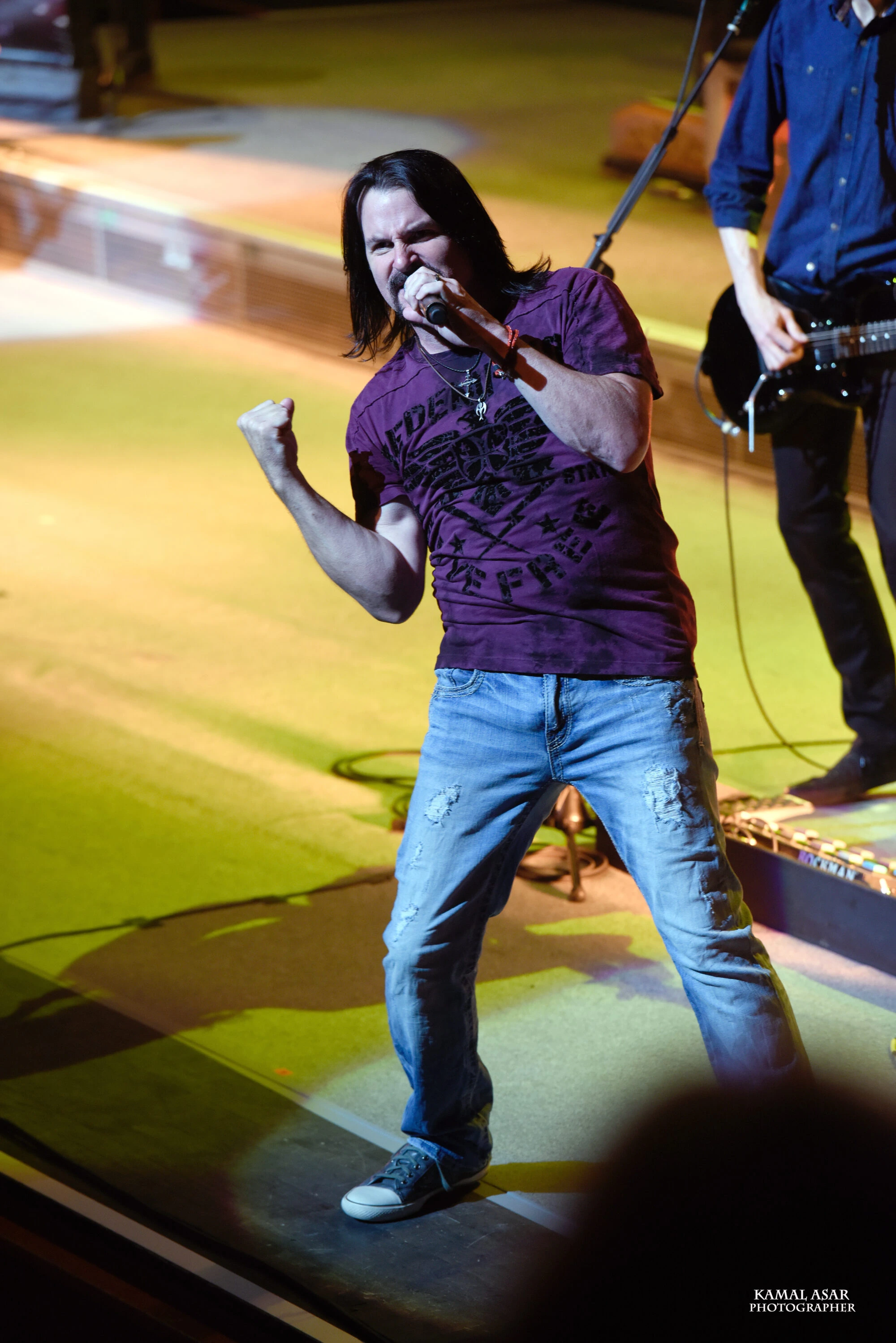
Born and raised in Utica, New York, Tommy DeCarlo immersed himself in sports — baseball, football, and basketball throughout school. He tried out with the Pittsburgh Pirates twice but didn't make the team, reflecting: "Quite honestly I wasn't good enough, but to get that far was an awesome experience." Elementary school choir sparked his musical interest, though directors repeatedly rejected him for lead solos, stating his voice was "too soft."
Tommy began self-taught piano around fourteen, picking out chords on an old upright between sports activities. Regarding singing development, he explains: "Well … I truly have to thank Brad Delp for helping me develop that gift. When I first began to listen to BOSTON as a young teenager, I absolutely loved Brad's voice and how he would sing those classic hits whenever there was a BOSTON song on the radio. It wasn't like I was trying to sing like Brad, it was just that I loved to sing along with him."
At twenty-two, a Florida vacation became an eighteen-year residence until the DeCarlo family relocated to Charlotte, North Carolina in 2005. As a dedicated family man, he considers family the day's best aspect. When not touring with Boston, he performs in a cover band with his son, guitarist Tommy DeCarlo Jr.
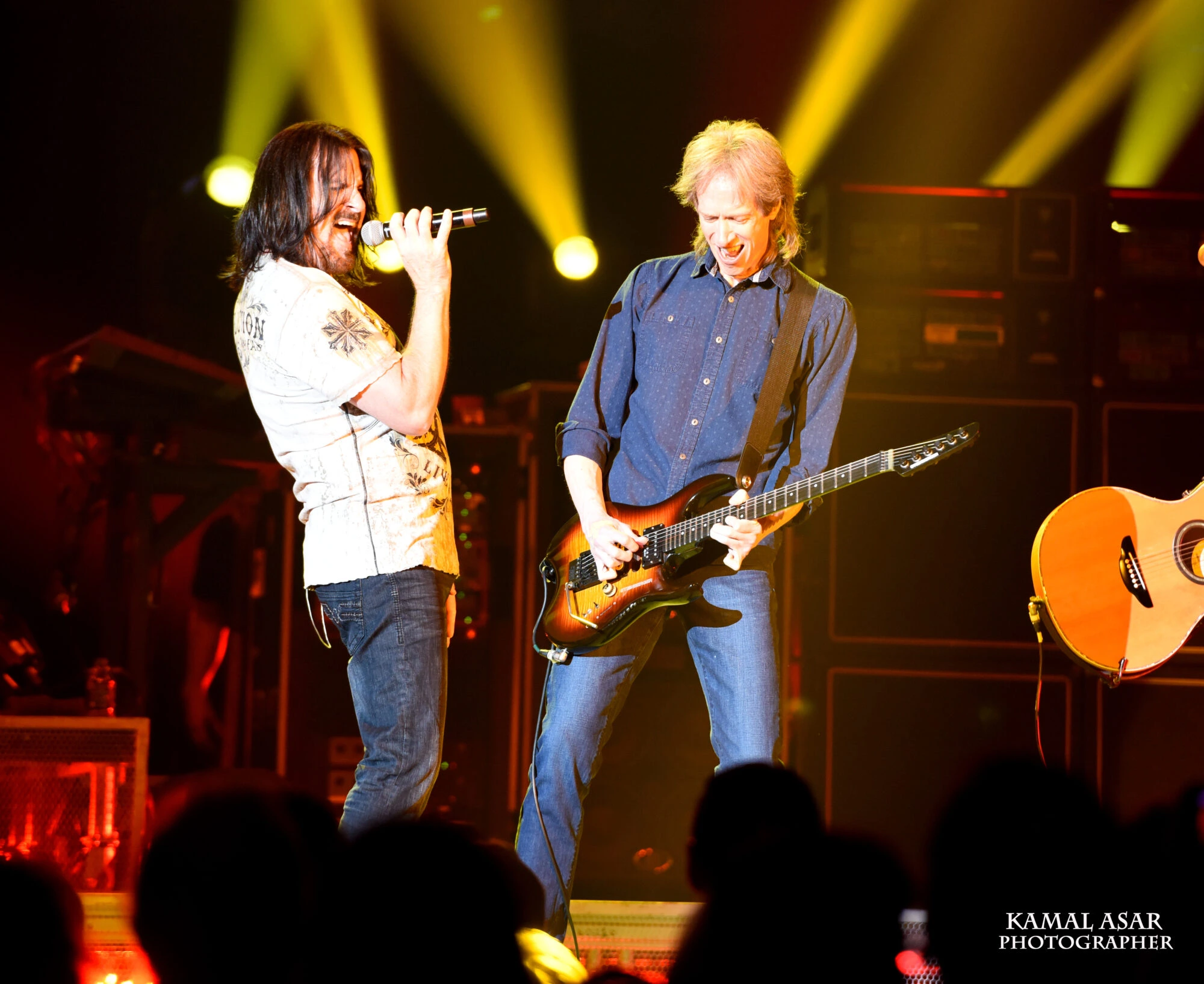
He posted Boston covers and original music on MySpace, including a tribute song to Delp. Learning about a tribute concert, a friend encouraged action. He remembers: "I sent my myspace page link to the BOSTON camp, and I also offered to sing my song at the tribute show, never thinking I'd get a reply. I did end up getting one about two weeks later thanking me for the offer, but at this point there were not going to be any additions to the line up. It was a very nice reply, and I was just thrilled that I got a response."
Weeks later, Tom Scholz heard Tommy's "Don't Look Back" cover and was astonished. Knowing Brad's vocal nuances intimately, he couldn't believe this wasn't Brad singing, exclaiming: "I haven't heard anyone else sing like that in 35 years." Scholz contacted Tommy and invited him to perform songs at the tribute. DeCarlo's reaction: "I would have never believed this could happen in a million years. The next thing I knew I was on my way to Boston to sing with BOSTON … are you kidding me?"
Previously, Tommy's largest audience involved several dozen karaoke performers at a bowling alley. His next performance featured over 5,000 people, though that wasn't the most daunting part. He explains: "The most scary time for me was when I walked into rehearsal and met them all for the first time. As I walked into the building where rehearsal was taking place … I could hear the sound of a kick drum off in the distance … I walked through the doors and could not believe it … there was BOSTON rehearsing 'Don't Look Back.' Wow!"
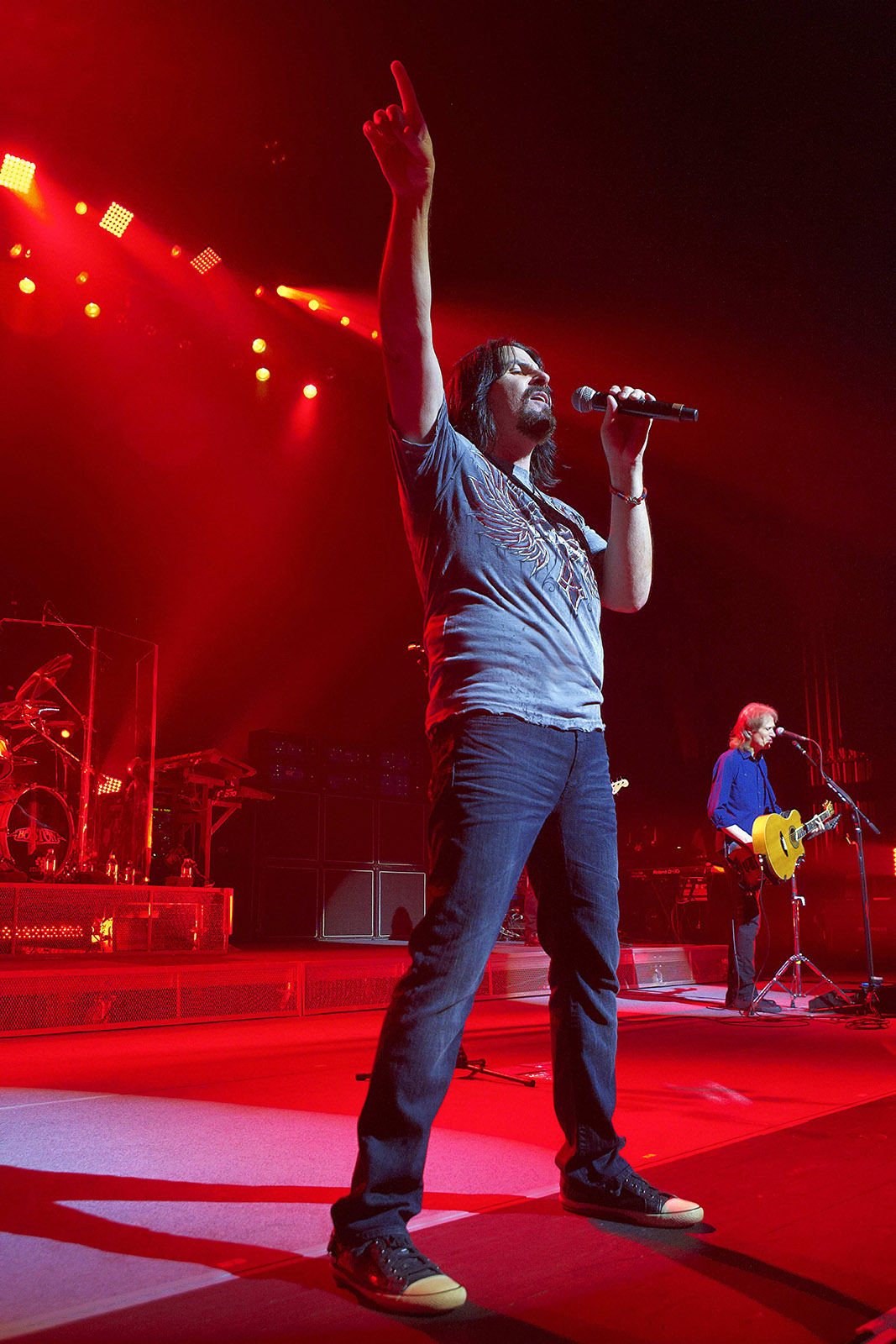
He continues: "Meeting the band members was incredible, they couldn't have made me feel more like family. The best thing was that they allowed me to bring my son with me to rehearsal, who's a huge BOSTON fan by the way. My son and I were in awe … but trying not to look in awe, if you know what I mean." Following his "Smokin" performance, Tom Scholz gave him a high-five, an unexpected moment of validation.
During the Bank of America Pavilion sound check, Tommy observed the audience size. He laughs: "It was nothing like the bowling alley, I'll tell you that." Without a sound check due to time constraints, he nonetheless impressed the crowd with "Smokin'" and "Party" performances.
He recollects: "During the set change when BOSTON was getting ready to perform, I was back stage pacing back and forth … nervous as all get out … but the BOSTON band members past and present were more than supportive. The next thing I knew, a crew member looked at me and said, 'You're on,' and that is when I met all of you for the first time… the best fans in the world! It was all of you who made me feel that everything was going to be okay, and I smiled knowing I was among friends." He concludes: "Brad's voice gave me hope and inspiration at times in my life when I needed it. I have said that I never took any singing lessons, but that's not exactly true … it was Brad who taught me how to sing, even though he never knew it."
Guitar · Keyboards · Backing Vocals
Gary Pihl
Chicago / San Francisco Bay Area
Guitar · Keyboards · Backing Vocals
Gary Pihl
Raised in the suburbs of Chicago for the first 12 years of his life, Gary Pihl relocated to the San Francisco Bay area and has led a musical life ever since.
A long-time member of BOSTON, Gary brings the steady right-hand guitar work and harmony vocals that anchor the live show night after night.
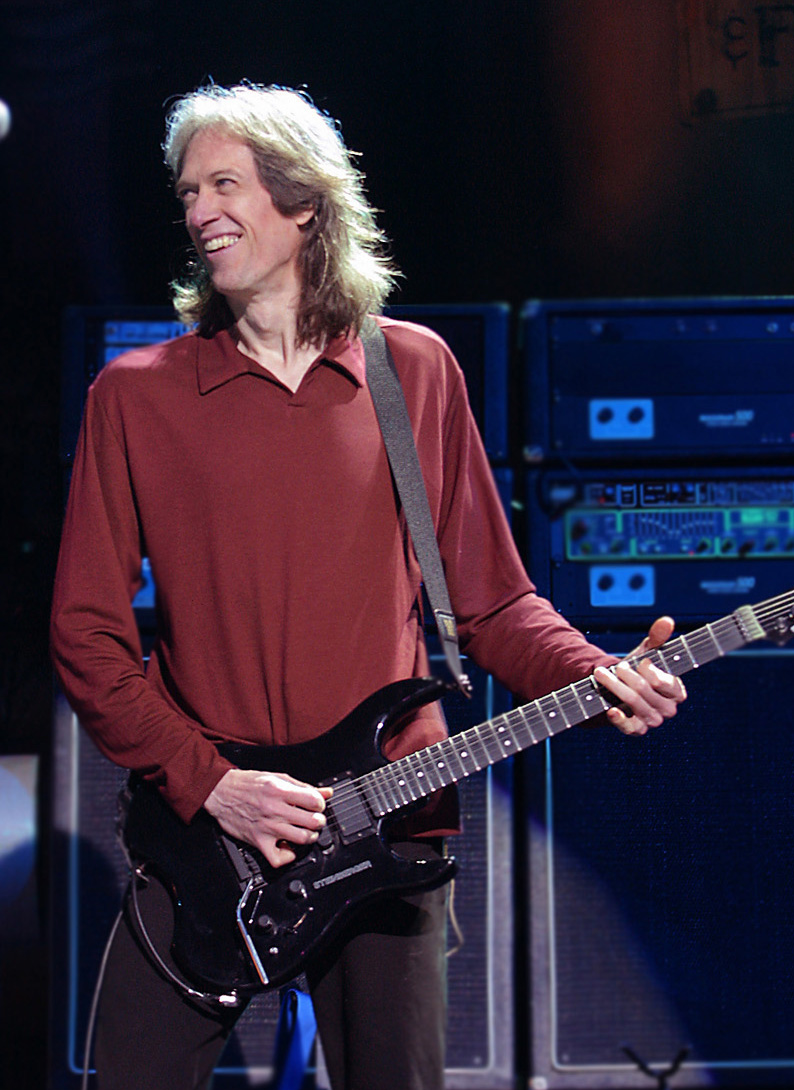
Raised in Chicago suburbs for twelve years before relocating to California's San Francisco Bay area, Gary Pihl pursued music since high school. One guitarist recommended lessons from someone exceptionally talented in The Warlocks — Jerry Garcia of what became the Grateful Dead. At nineteen, he recorded his debut with Day Blindness in 1969. He recounts: "After my time in Day Blindness, I was in a band called Fox with Roy Garcia and Johnny V (Vernazza), who went on to play in Elvin Bishop's band. We were really fortunate to get to be on some shows with bands we looked up to including opening at the Fillmore for Free (with Paul Rodgers). We were on shows with Janis Joplin, Quicksilver Messenger Service, Eric Burdon and War and Mose Allison."
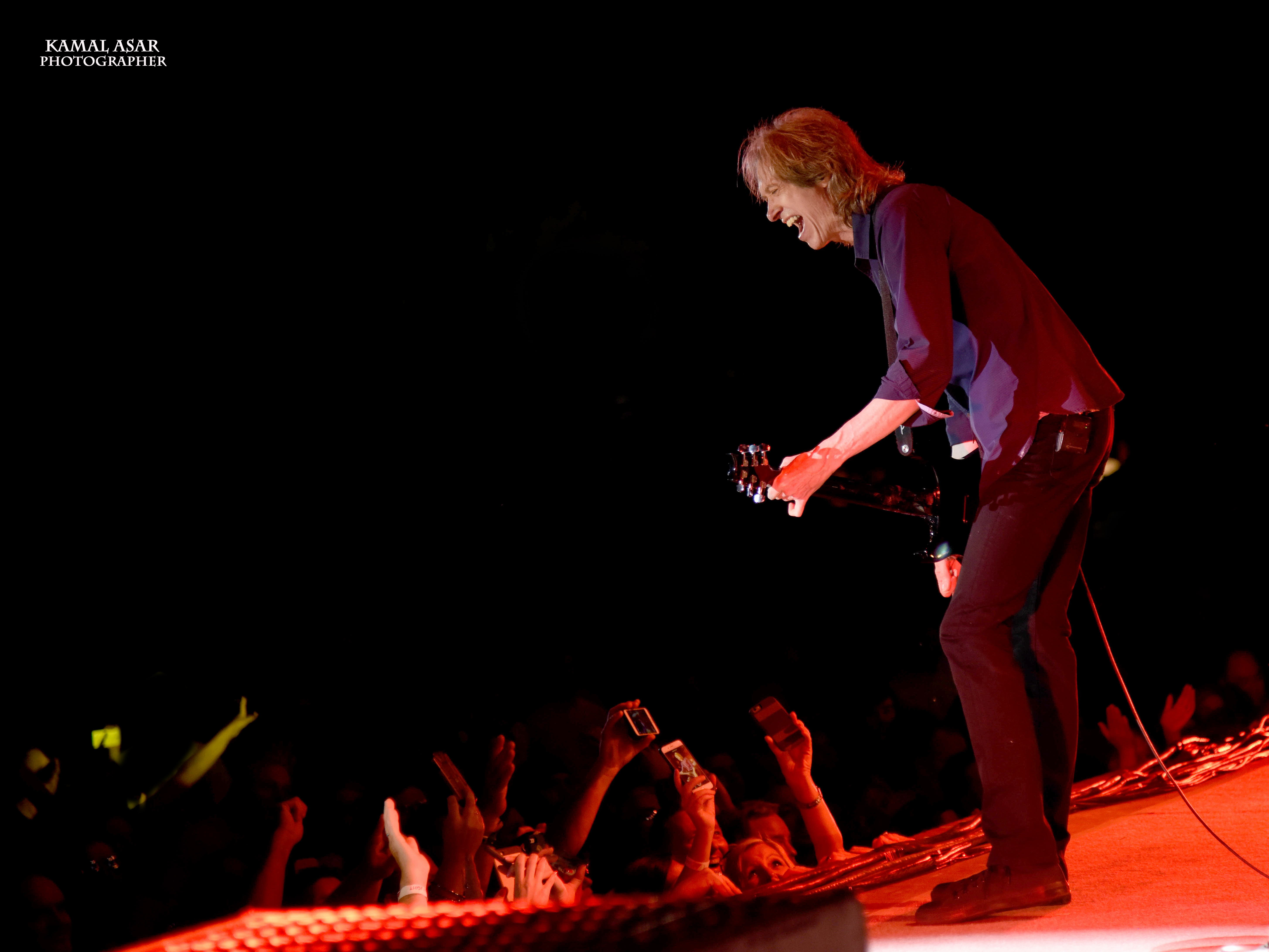
Four years with Crossfire followed, featuring organist Mitchell Froom, who became a renowned producer. During Norman Greenbaum performances, their drummer spontaneously joined, sparking an impromptu collaboration. He explains: "In the middle of one of Norman's songs, our drummer, Steve Jones, got back on stage and started playing! Norman turned around in shock. Then he looked at the rest of us on the side of the stage and waved us up."
His significant breakthrough arrived in 1977 joining Sammy Hagar's band, where he toured and recorded for eight years. Meeting Tom Scholz occurred when Hagar opened for Boston between 1977-1979. When Hagar joined Van Halen in 1985, Scholz called requesting collaboration on Third Stage's final song. Gary explains: "Tom called me up when he was working on the Third Stage album, he had one more song left to be recorded and asked me if I'd come out to work with him on it. I was thrilled! It was a dream come true for me to work with one of the greatest bands of all time! I would have crawled on my hands and knees from California to get to work with BOSTON." He flew directly from Farm Aid to Boston without employment gap, continuing since.
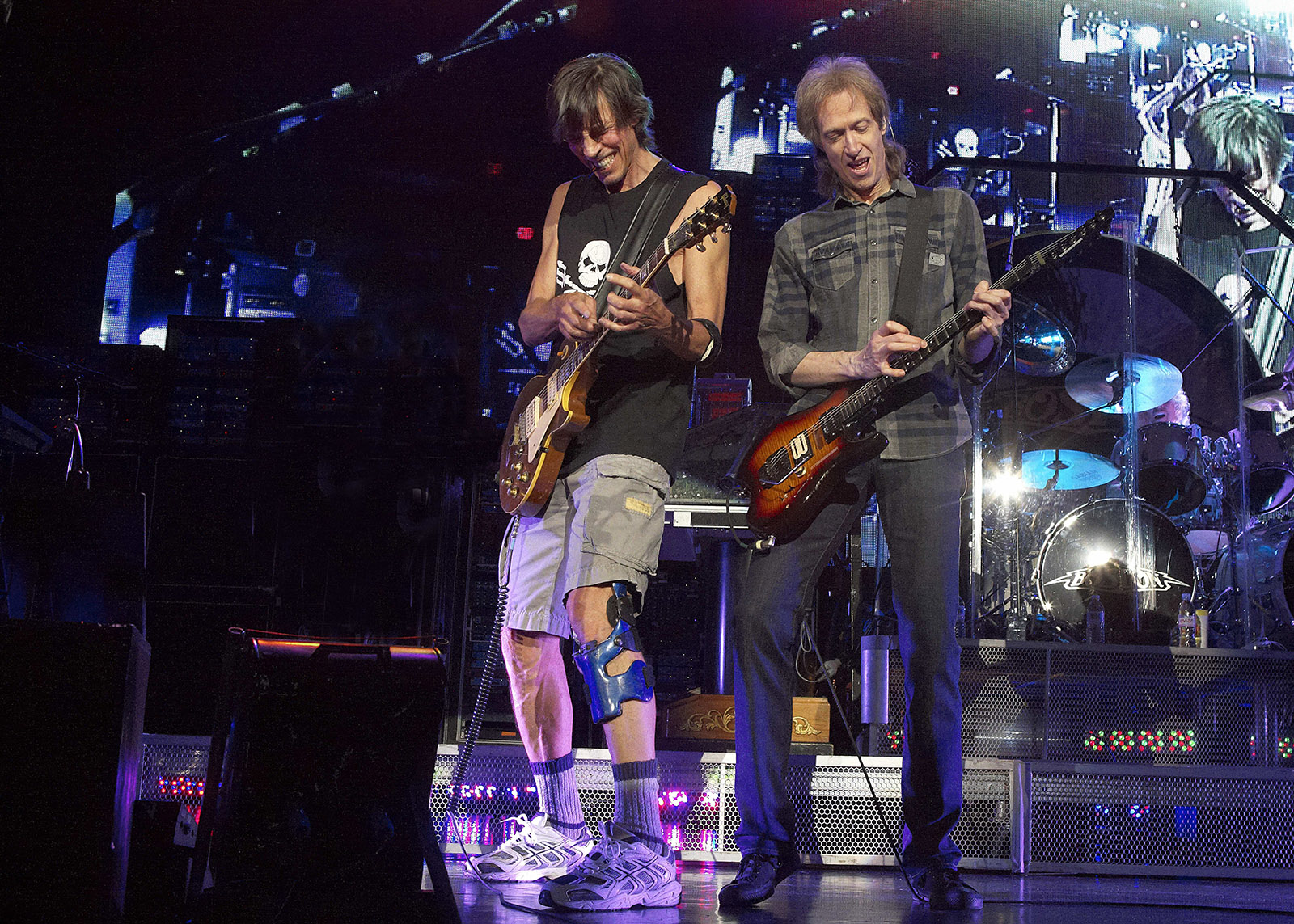
Tom and Gary traded studio leads on "I Think I Like It," a power tune showcasing their complementary virtuosity. These similar-appearing musicians form a natural on-stage pair. Beyond lead guitar, Gary performs twelve-string electric and acoustic guitar, keyboards, and backup harmony vocals.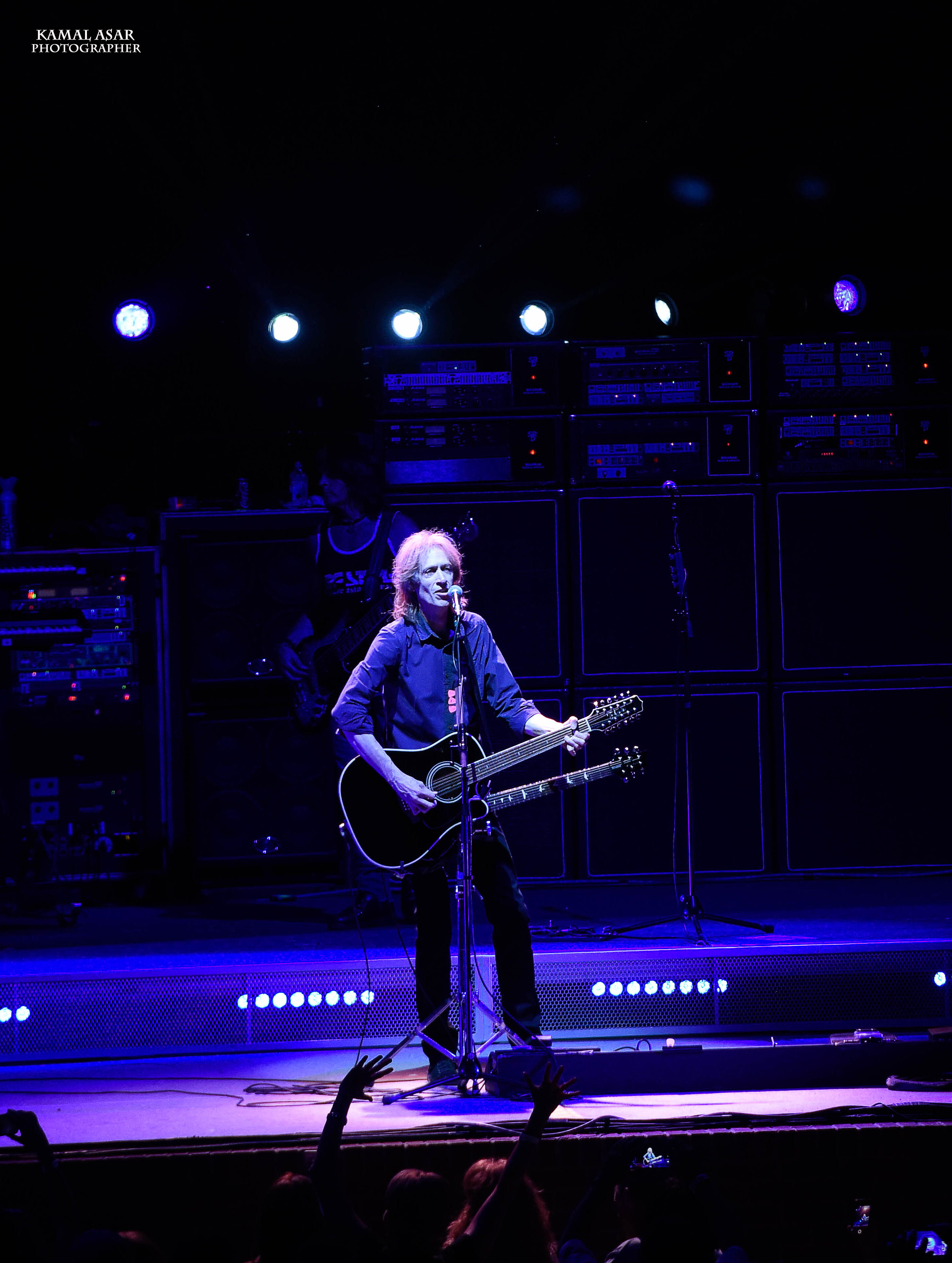
Gary became indispensable to Boston efforts, serving as Vice President of Scholz Research and Development over twenty years, assisting with studio construction, and managing complex tour equipment operations. He organizes rehearsals, educates band performers, integrates front-of-house sound systems and personnel. Tom states: "I'd be lost without him. Gary's the only other person on tour that has a thorough understanding of the complex audio productions systems that turn the efforts of 7 musicians and singers into the perfectly mixed stereo sound coming out the sound system." Kimberley Dahme observes: "In my opinion, he is the glue that holds BOSTON together. He works with us individually for hours on end, and assists Tom solving all of the problems that come up. He cares. I am so thankful to him, he is amazing."
Pihl is an expert professional photo editor, handling graphics for Corporate America and remastered Boston and Don't Look Back releases. Tom describes him: "He's one of those rare people that has a gift for music and highly technical talents." Drummer Jeff Neal adds: "Gary is the most consistent player out there, night after night, you can count on Gary to bring his 'A' game. His style is really an excellent blend of great technical ability but also wonderful feel."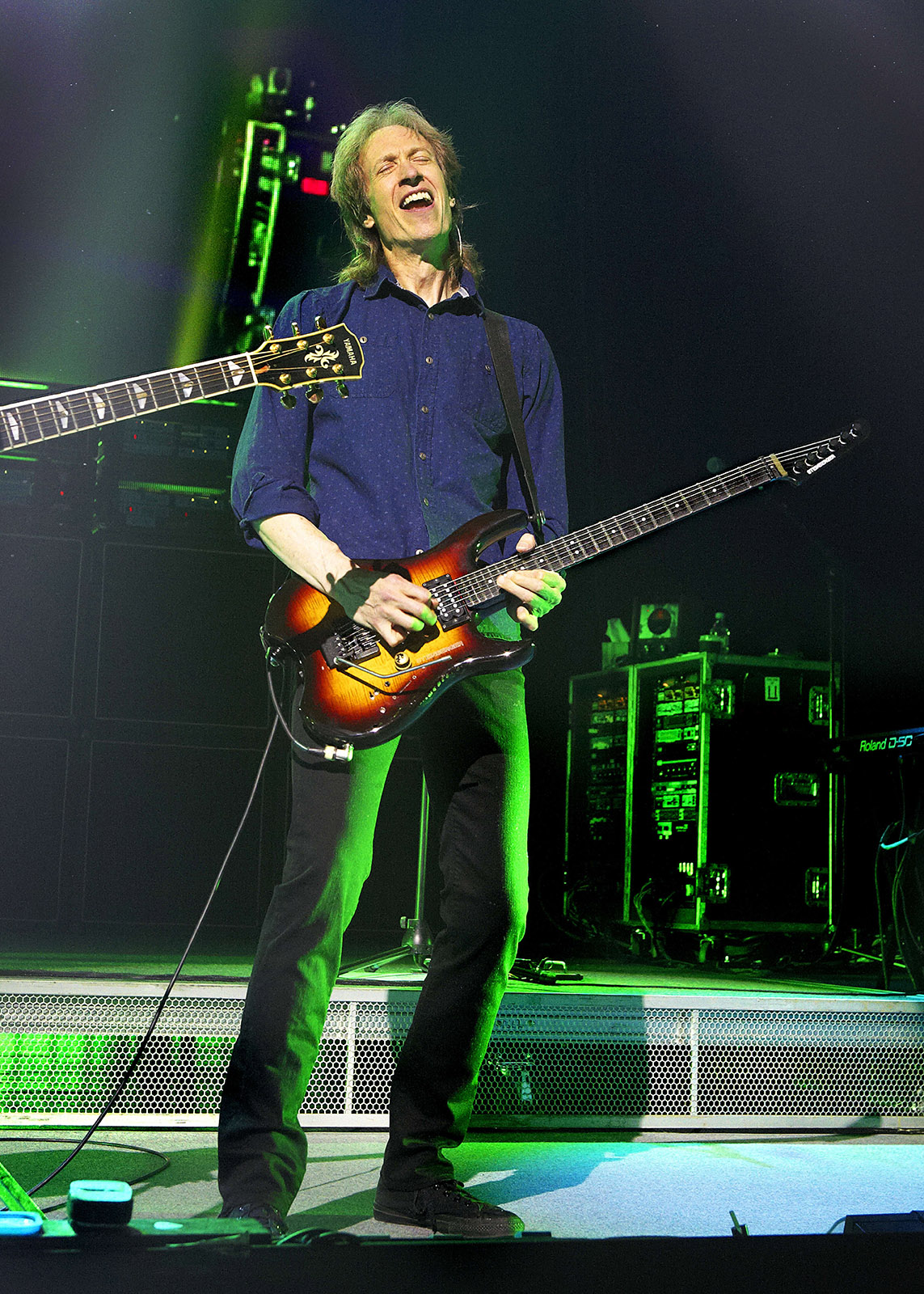
Beyond Boston work, Gary creatively collaborates through "project band" Alliance with Dave Lauser (Sammy Hagar's band), Alan Fitzgerald (Night Ranger), and Robert Berry (3), spanning blues to prog rock across six released albums. He's also in December People with Robert Berry, performing traditional holiday songs in various rock band styles as benefit concerts for local charities. His latest venture, co-written with singer Mick Devine, is The Roads' album Simple Man, which received positive reviews with two songs converted to videos. A long-term vegetarian like Brad and Tom, Gary resides in suburban Boston with his wife and two sons.
Drums · Harmonica · Piano · Vocals
Curly Smith
Montana / Arkansas
Drums · Harmonica · Piano · Vocals
Curly Smith
Born in the Big Sky country of Montana, but raised in Arkansas, Curly Smith had rhythm spoon-fed into his being from living next to railroad tracks.
A multi-instrumentalist with deep groove and decades of stage experience, Curly brings versatility and feel to every performance.
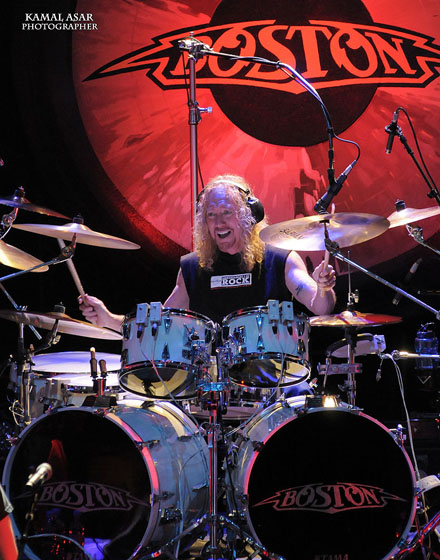
Born in Montana's Big Sky country but raised in Arkansas, Curly Smith absorbed rhythm from nearby railroad tracks. The thundering trains mesmerized him, prompting pot and pan beating for accompaniment. Whenever possible, he crossed tracks toward nearby churches, soaking in gospel music. This foundation established his musical pursuit.
By twelve, Curly played guitar, drums, and sang. Harmonica followed at fourteen. Prior to twenty, he began classical piano lessons and music composition. After developing skills through various Arkansas, Texas, and Louisiana bands, he joined Jo Jo Gunne in California — an offshoot of classic rock group Spirit. Jo Jo Gunne achieved a top-40 hit with "Run Run Run" and toured extensively throughout the USA and Europe.
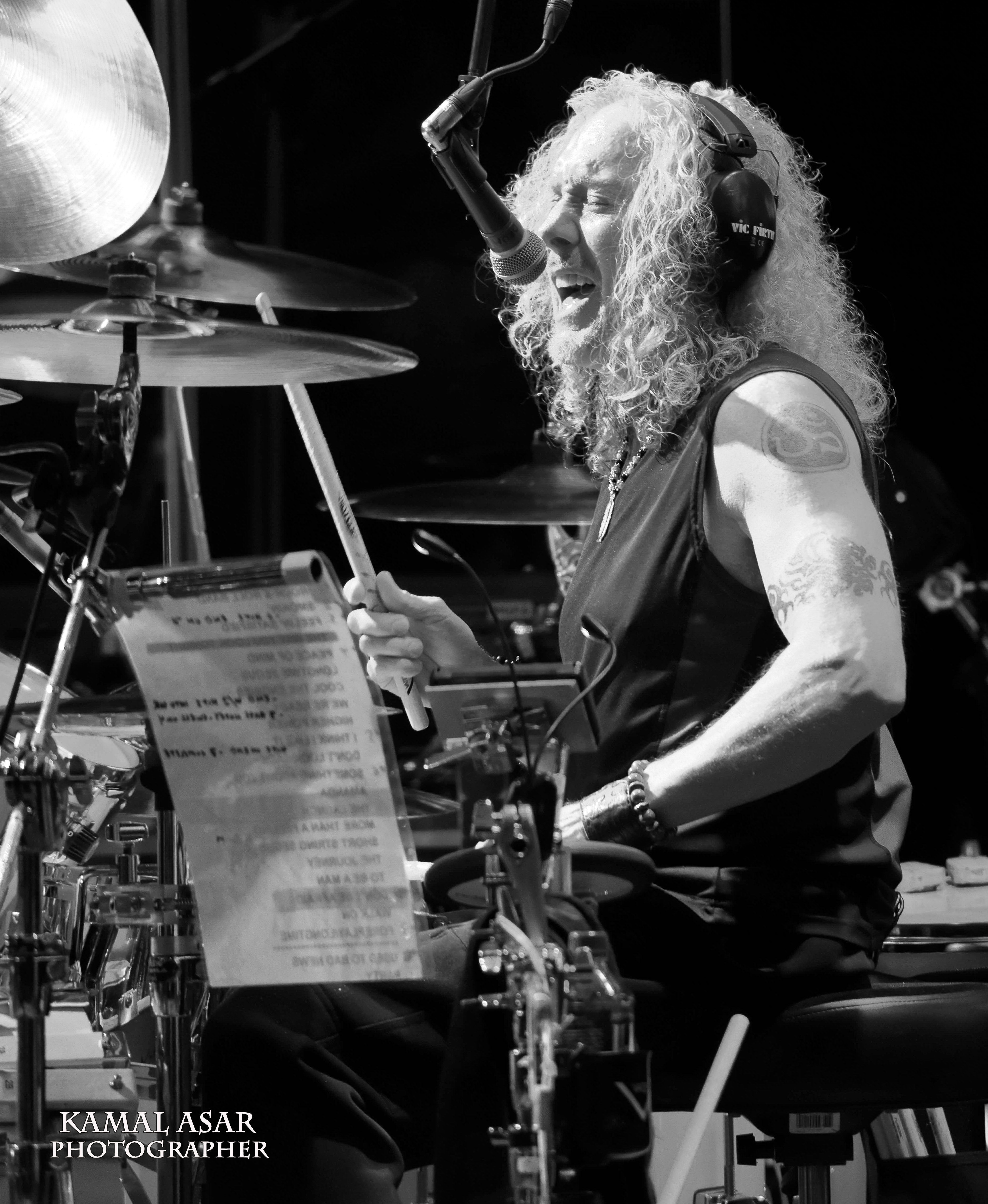
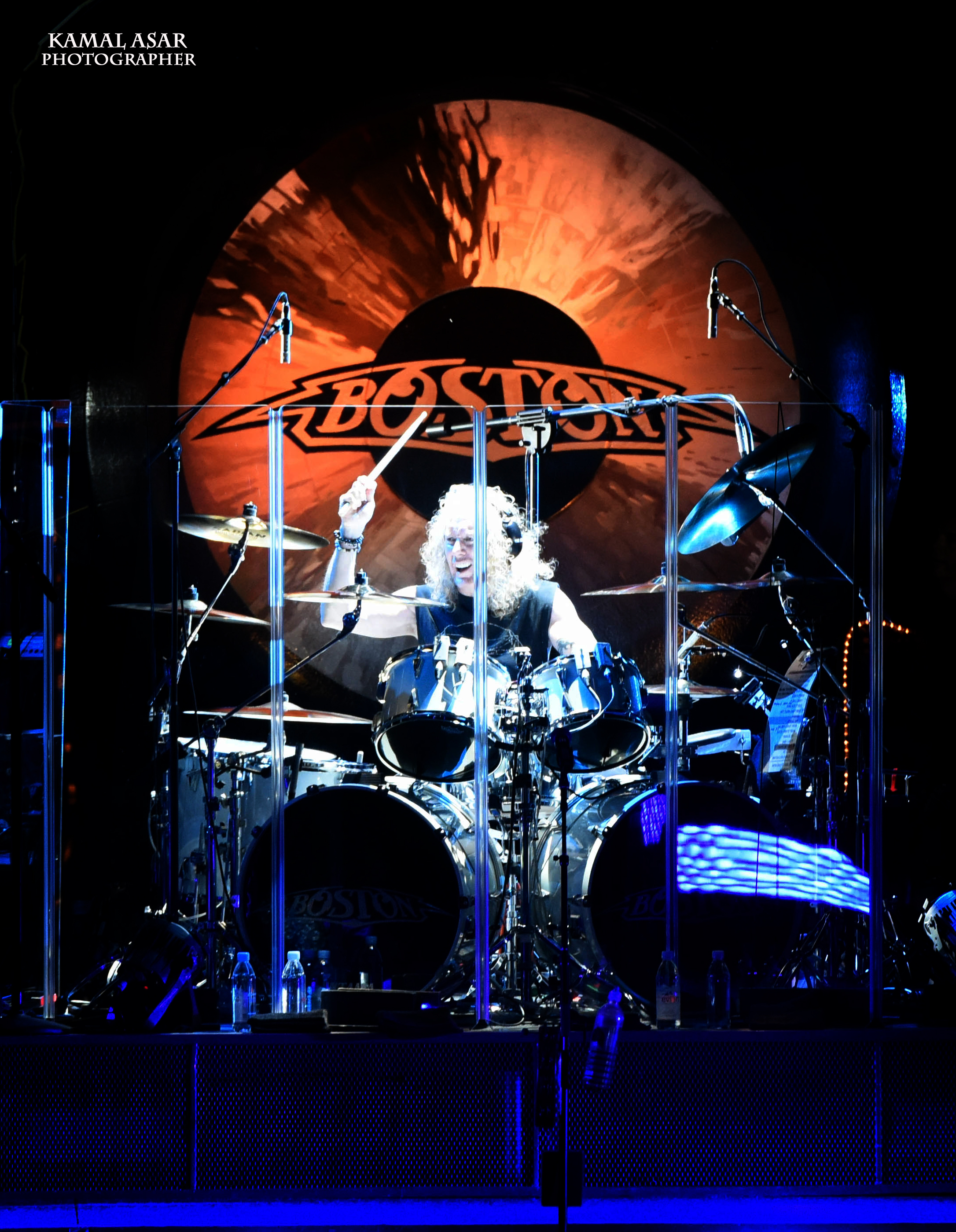
Curly distinguishes himself as one of few drummers performing alongside The Who's Keith Moon. He contributed music and work to X-Files and various other movie and television productions. As a solo artist, he recorded two successful solo records and currently works on a third. His acclaimed rock and blues CD "Rough House" and symphonic, eclectic tribal jazz album "Cool Blue Cosmic Gem" showcase his comprehensive talents — he wrote, produced, engineered, sang all vocals, and performed all instruments on the latter
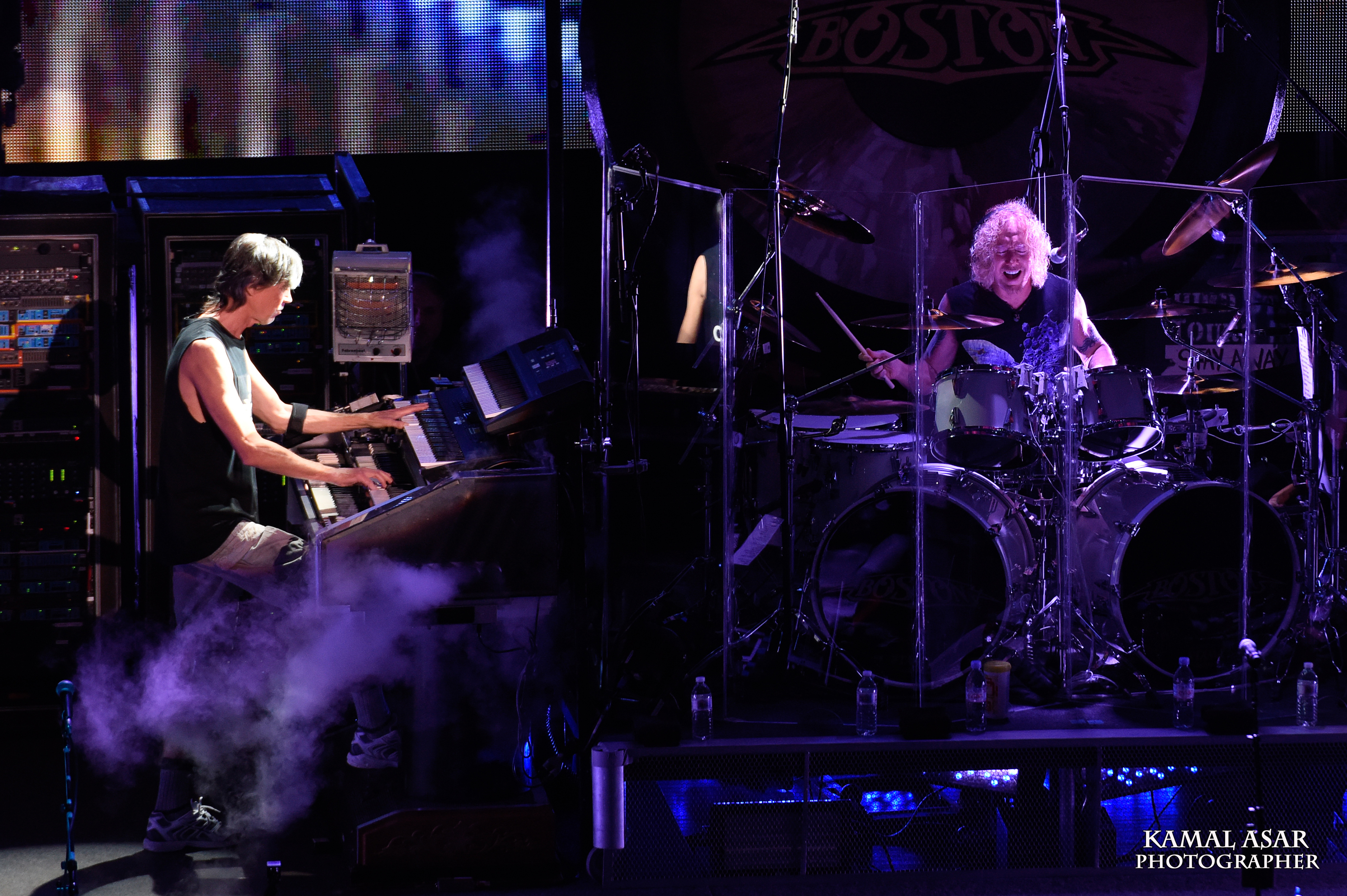
Drums · Harmony Vocals
Jeff Neal
Drums · Harmony Vocals
Jeff Neal
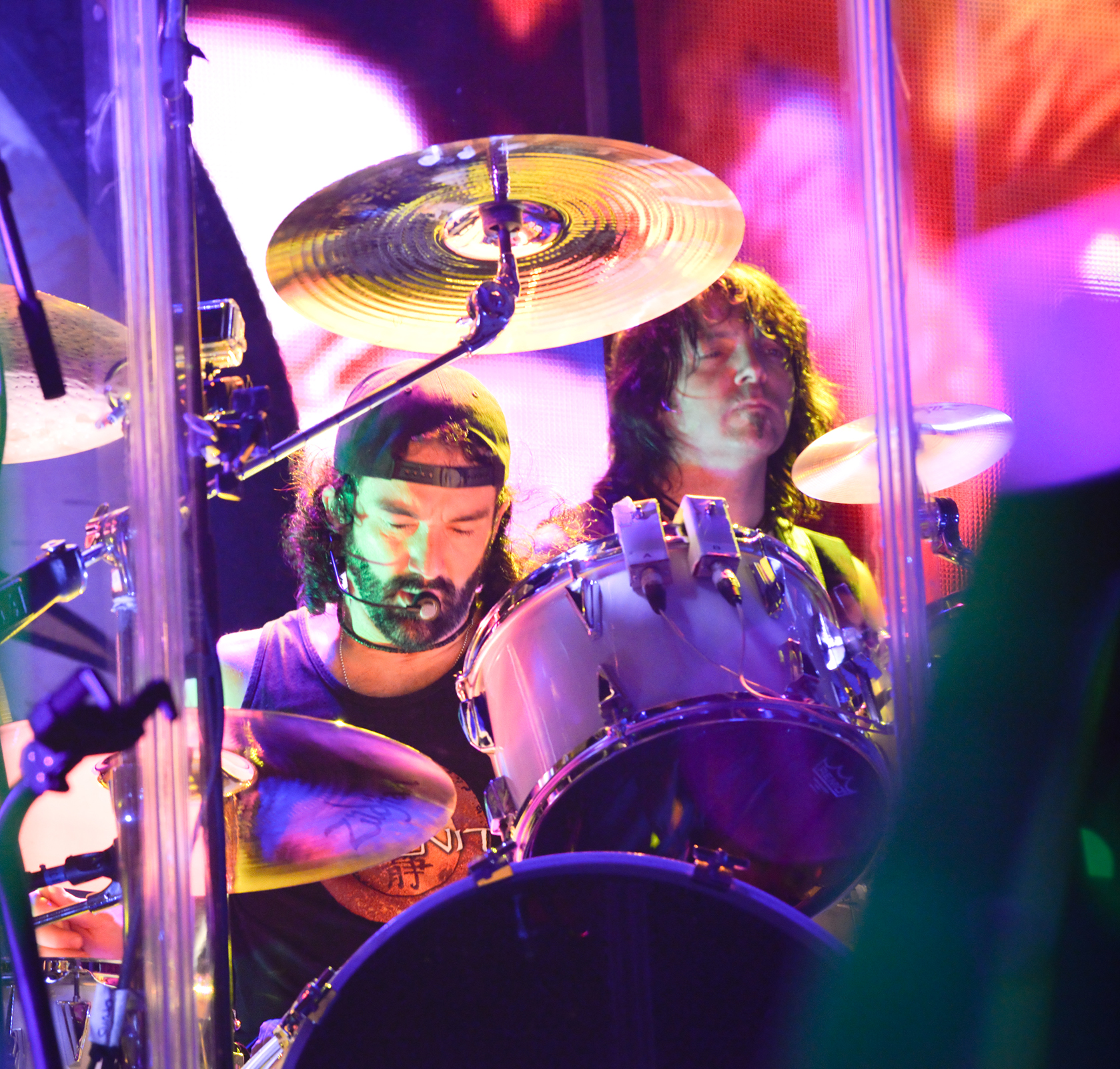
After an extensive search for a new drummer for BOSTON, Tom Scholz happened to see Jeff Neal performing with his band Punchbug at a ski resort in Maine.
Power, precision, and a relaxed pocket — Jeff's playing is the engine room of the modern BOSTON live show.
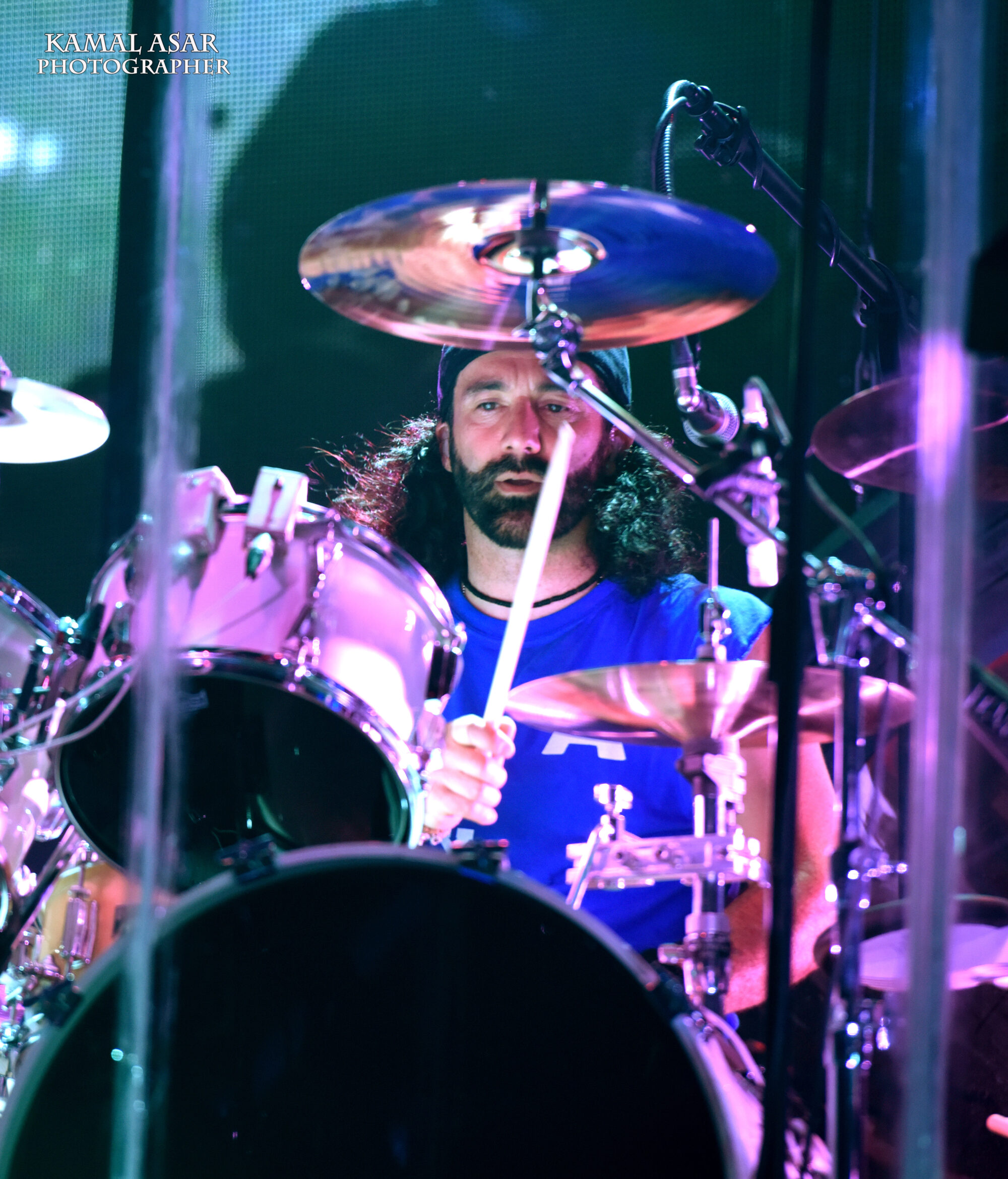
After extensive drummer searches, Tom Scholz observed Jeff Neal performing with Punchbug at a Maine ski resort. Jeff joined the group in 2002, contributing energetic, entertaining drumming and excellent harmony vocals to 2003-2004 tours. Gary Pihl praises him: "Jeff is great to have in the band because he is so down to earth and matter of fact. He's a great drummer and remarkable singer, but acts as if what he does is just like anybody else trying to do his job the best he can. We're fortunate to have him, and I'm glad that even after a million people have told him how great he is, he hasn't changed from being that good-natured guy, always ready to work."
Tom concurs: "He fits in because he's like the rest of us…he's not a rock star, he's a regular guy who can really play. He's involved in music because he loves it, not because he makes a living from it."
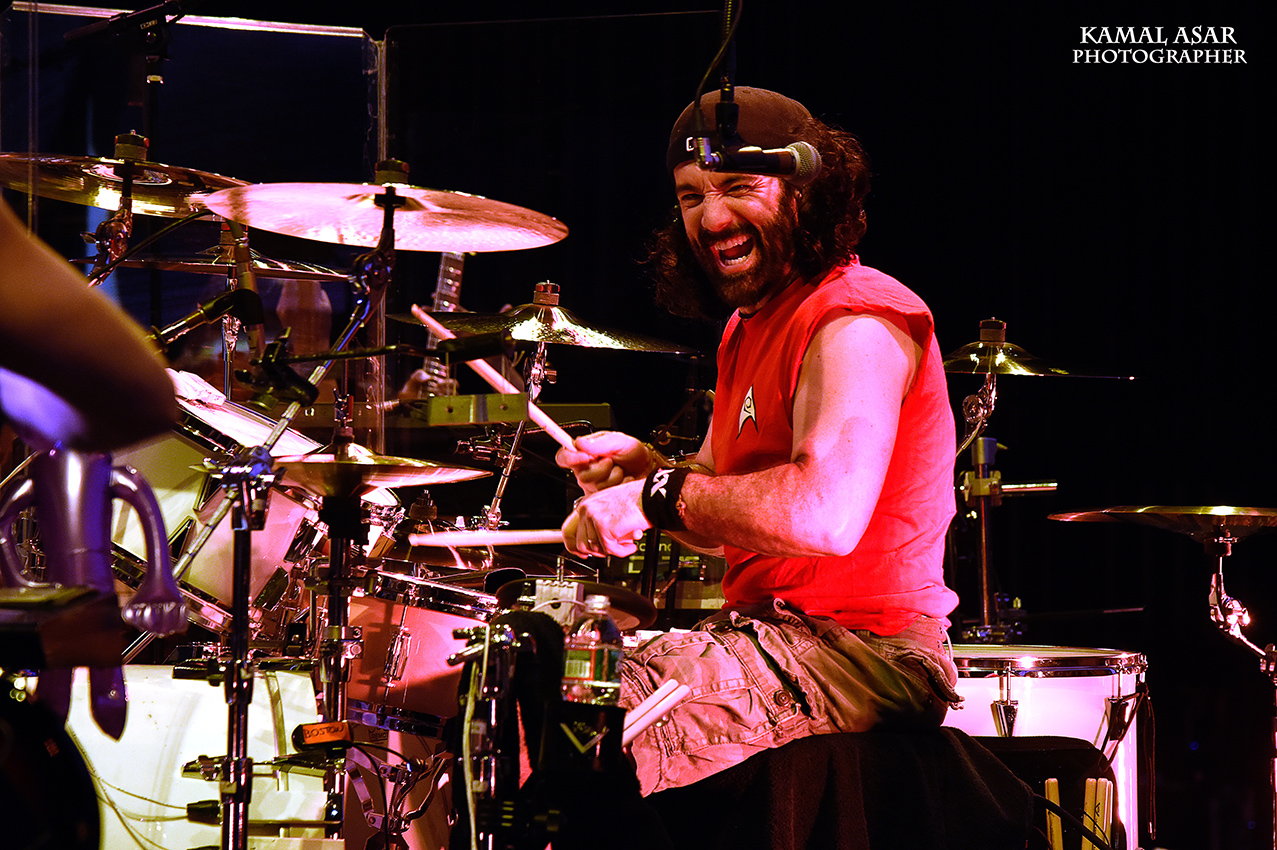
When touring ceases, Jeff teaches U.S. and World History at a local Maine high school, coaches collegiate soccer, and actively plays. Music remains his first passion, played locally since late teens where 175-person audiences constituted "huge nights." His transition involved preparation: "The way I handle it, is I do as much preparation as possible, mentally and physically, just focusing on the task at hand, without thinking about the enormity of what I'm doing. You can start to kind of wig out on that. One can easily get overwhelmed if you worry about the extraneous things. I try to stay focused on playing my parts to the best of my ability, and that allows me to make the transition." He emphasizes: "The preparation is key. It is kind of an awe-inspiring thing, now to share the stage with idols of mine. From the beginning, everyone in the band was great, making me feel at ease."
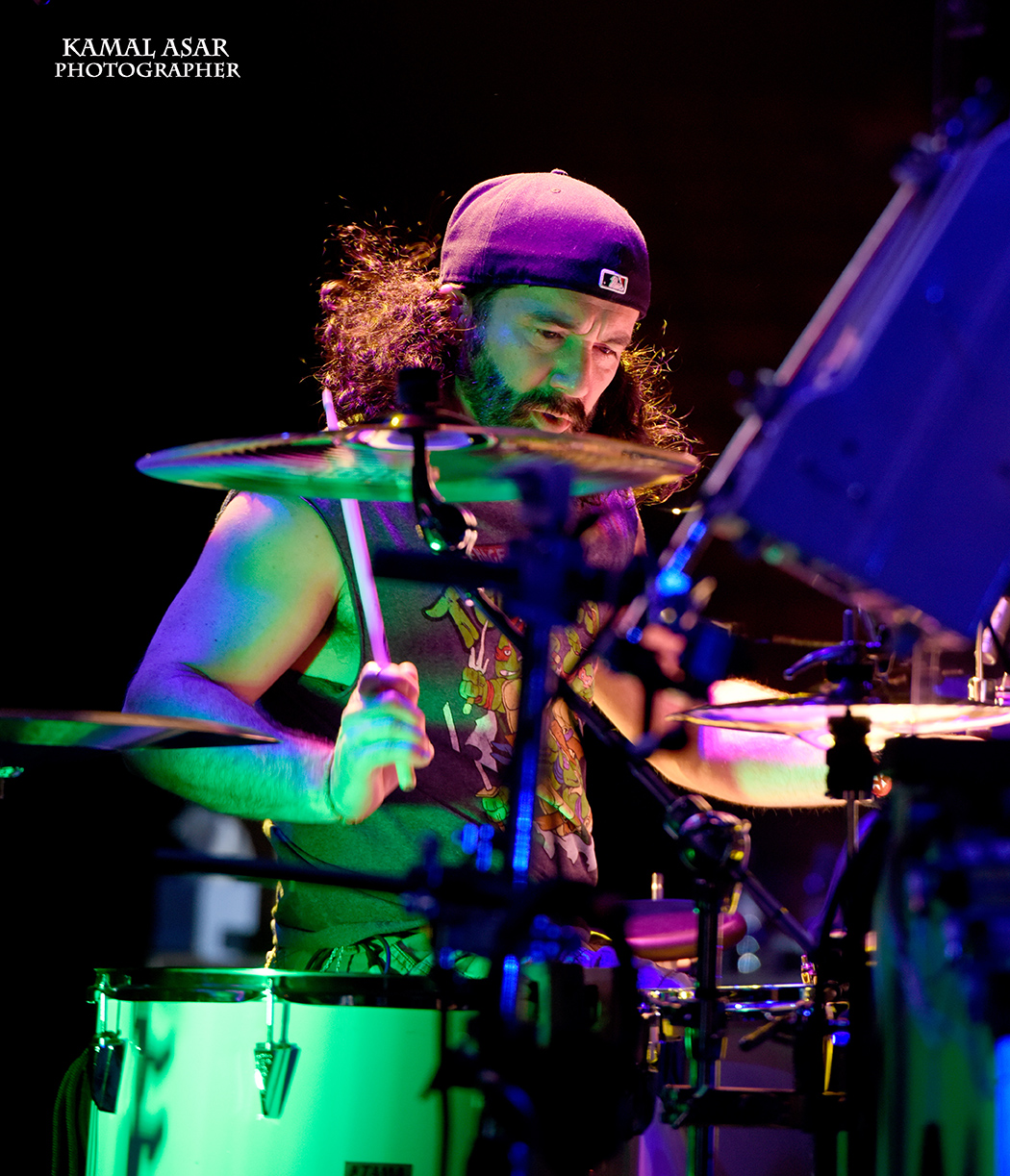
A self-taught drummer — impressively advancing given his background — Jeff recalls: "I came from a middle class family, and the logistics of drum lessons were not an option. I had to break into my piggy bank and basically buy a drum set myself from the neighbors down the street who were having a garage sale. All the neighborhood kids were ogling over it." His parents eventually supported his musical ambitions, helping acquire gear. He remembers his mother's sacrifice: "I really have to give kudos to my mom on this, she made a lot of personal sacrifices for me. At one point, I really needed a pair of high hats, but it just wasn't possible at the time. One day I came home from a particularly bad day at school, and there was a brand new pair of Zildjian high hats sitting on the table waiting for me."
Known affectionately as "Nealie" within the band, Jeff loves outdoor activities — biking, hiking, camping, and kayaking. During tours, he plays soccer backstage and roller-blades locally exploring scenery and history. Though beginning alto saxophone at ten, he states: "I don't consider myself proficient, but that's where I learned basic music theory." Most recently, he designed and constructed a home project studio, enabling extended practice without disturbing neighbors: "The drums are definitely my passion. I just want to keep getting better."
Bass
Tracy Ferrie
Elkhart, Indiana
Bass
Tracy Ferrie
Hailing from Elkhart, Indiana, the "band instrument capital of the world," it was almost inevitable that Tracy Ferrie's life would be intrinsically woven with music.
Tracy anchors the low end with depth and feel — the heartbeat that lets the wall of guitars take flight.
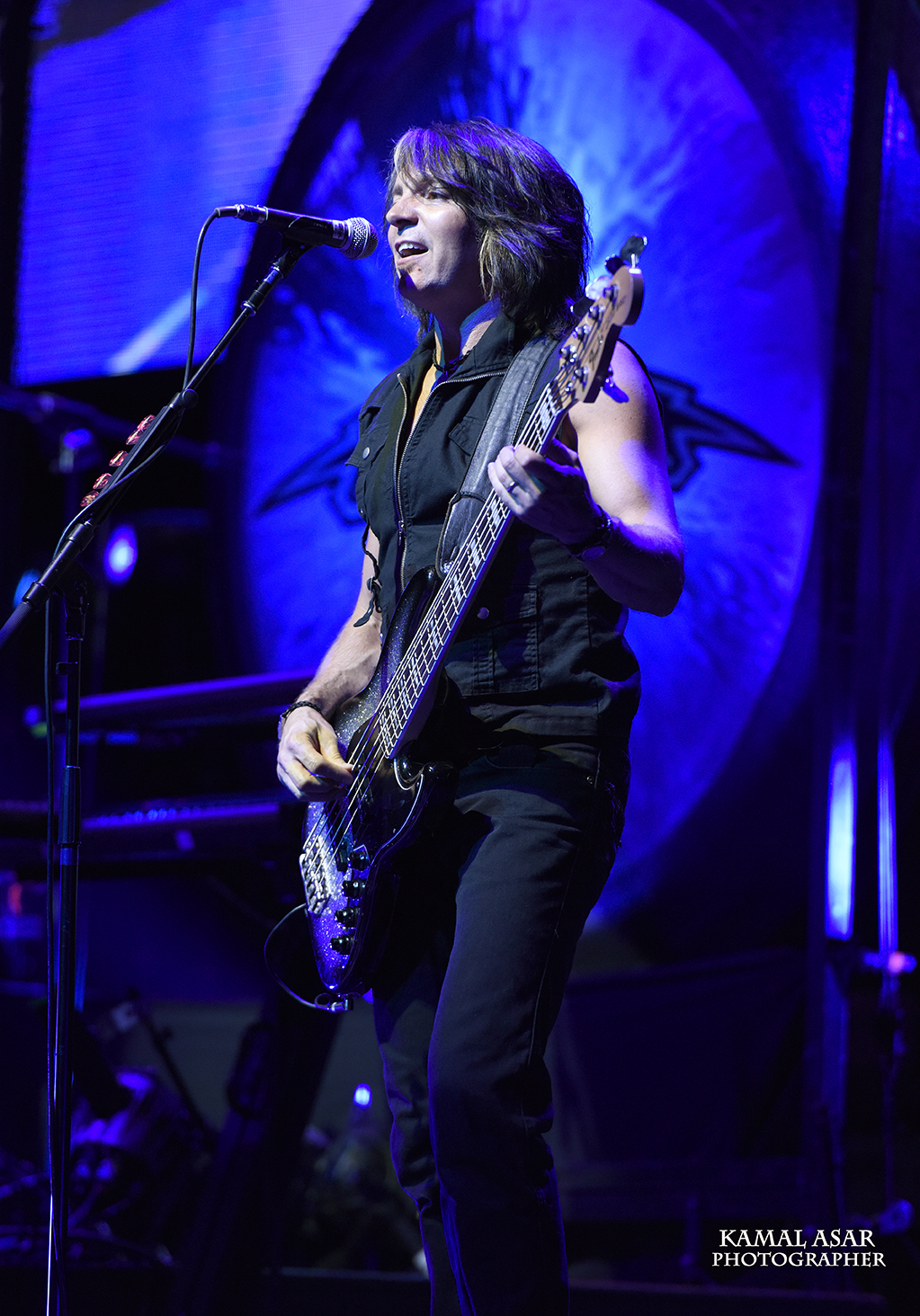
From Elkhart, Indiana — "Band instrument capitol of the world" — Tracy Ferrie's life inevitably intertwined with music. Like Tom Scholz, classical album exposure from his father established foundations. Roller-rink owner parents had him skating before age two, eventually becoming a national champion skating to classical masterpieces: "Symphonic music was the soundtrack to my life," he recalls.
When selecting fourth-grade instruments, Tracy chose tuba, "because, he says, it was the most outrageous instrument in the band room." After several orchestra years, encouragement prompted learning guitar, upright, and electric bass. Ferrie obsessively pursued playing and filled his basement with musical equipment: "I remember scouring the paper for anything that someone or anyone was trying to get rid of, trying to build a wall of speakers," he recalls.
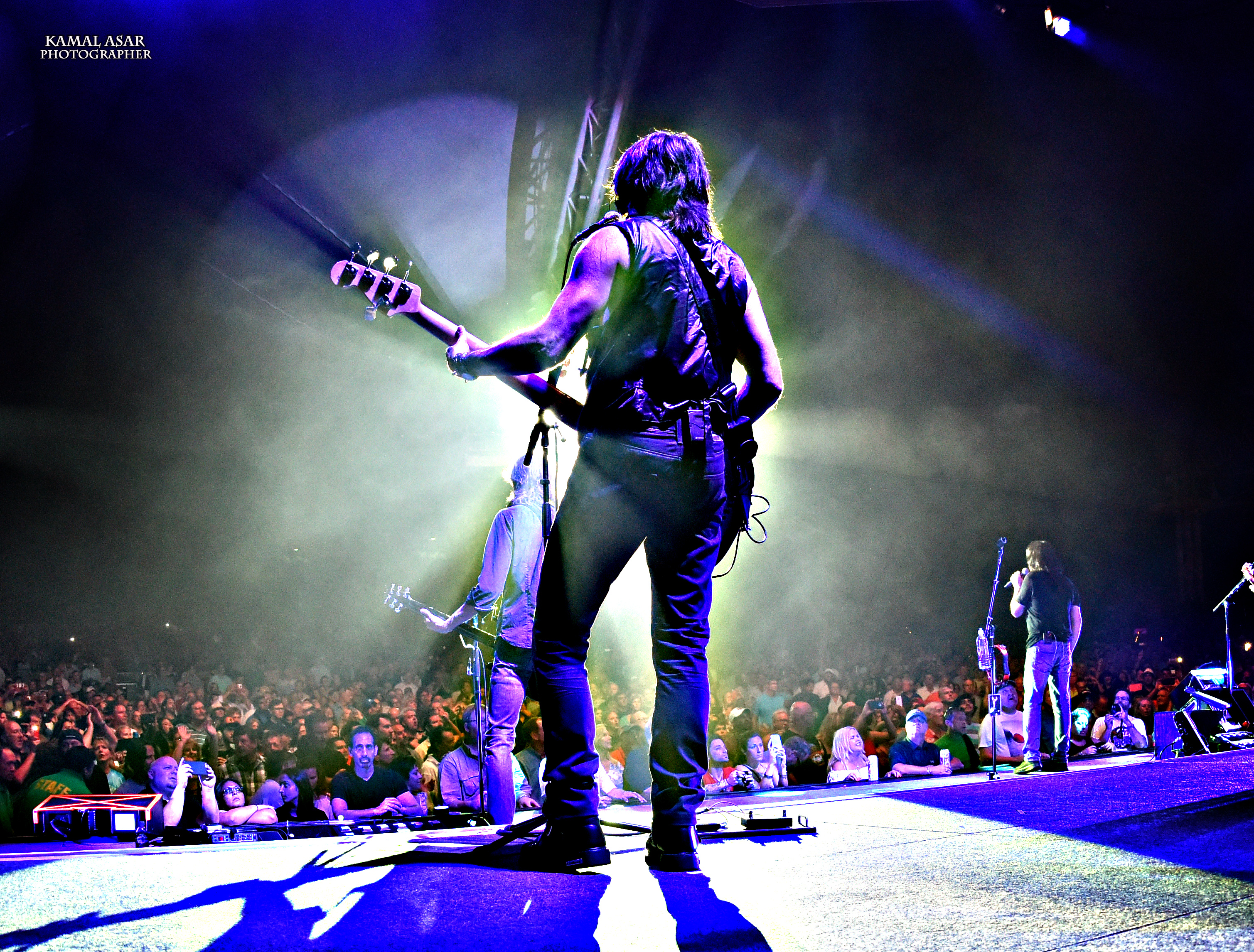
Post-high school, Tracy attended Berklee School of Music for several years, performing regularly in local clubs and doing session work. Moving to Los Angeles for further studies at The Music Institute of Technology, he performed in various bar bands before landing his first professional tour with the Young American Showcase. Over twenty-five countries have since featured his performances with artists including Whitecross, Guardian, and Stryper. He reflects: "I get a kick out of how small a world it is. To be asked for an autograph in a foreign country by a fan that is holding a product that you worked on is both humbling and inspiring."
Gary Pihl and Tom first performed with Tracy at a 2008 fundraiser. Gary states: "I was impressed with Tracy's bass playing when we performed with him at the benefit for Station Night Club victims, but I was especially glad that he had 'grace under pressure' when the drummer had an equipment failure and missed the intro of the song!" Tom adds: "It's most excellent to hear the bass lines that I recorded played note for note. He has a great touch, and a contagious energy on stage."
Beyond performing, Tracy teaches bass — something he finds rewarding: "I know the positive and life-changing influence of a mentor, and I feel very grateful to be able to share what I've learned." He resides on Cape Cod with his wife and four children.
Vocals · Keyboards · Guitar
Beth Cohen
Long Island, New York
Vocals · Keyboards · Guitar
Beth Cohen
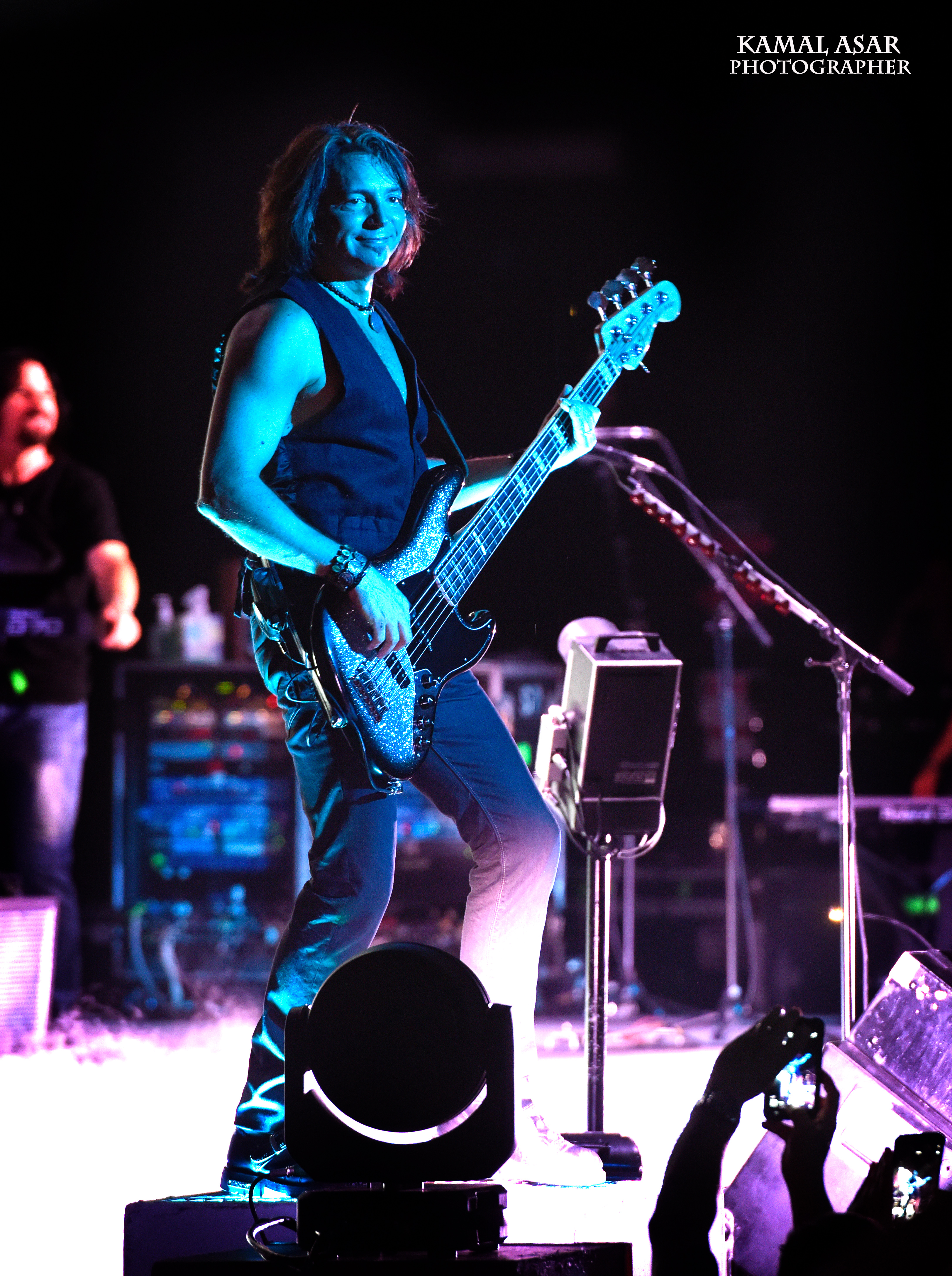
A Long Island, NY native, Beth Cohen grew up in a house filled with music. She played both piano and flute by the time she was 10.
Her soaring harmonies and live keyboard textures add color and lift to every song in the BOSTON setlist.
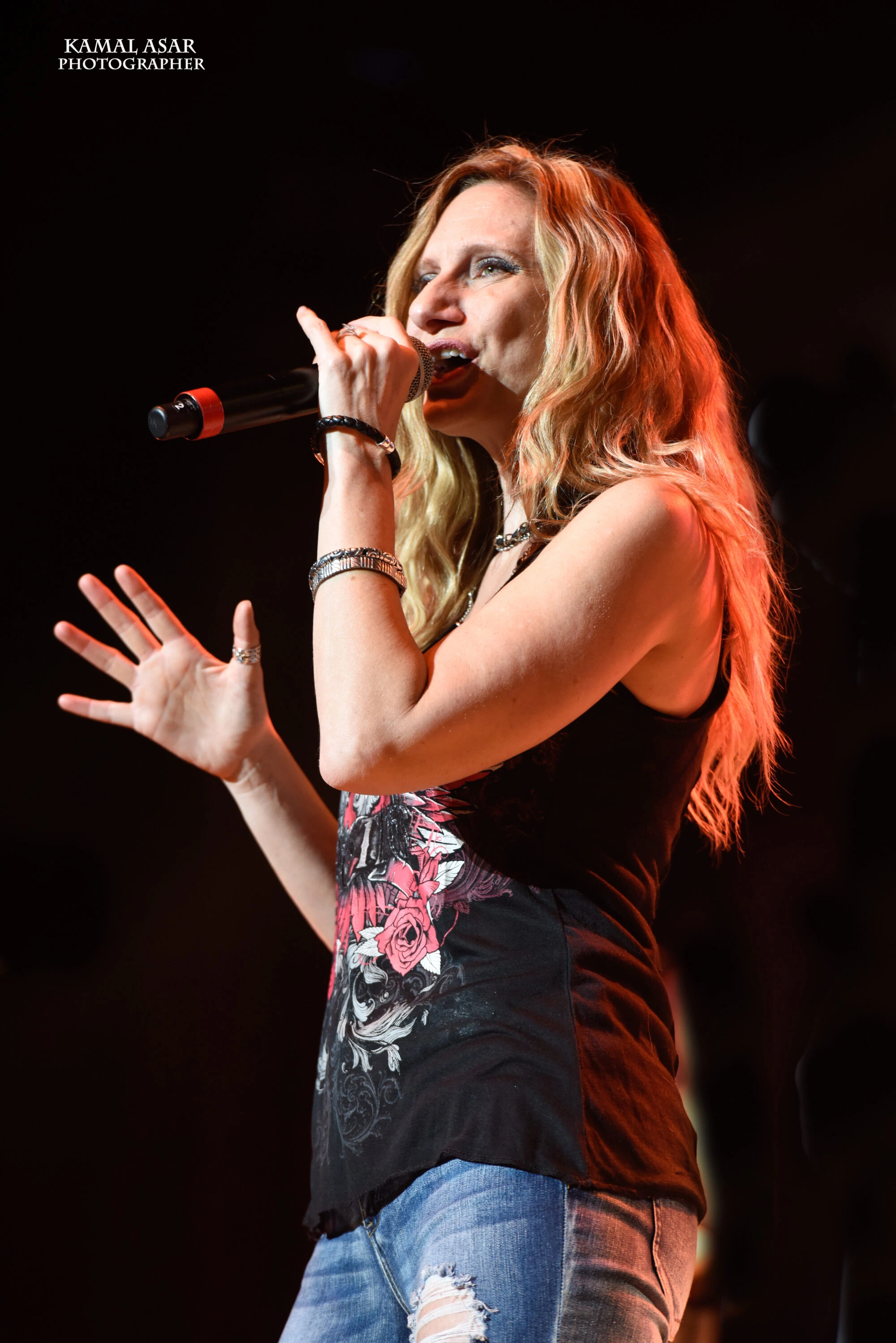
A Long Island, New York native, Beth Cohen grew up surrounded by music. Though she played piano and flute by age ten, singing ultimately inspired her most, beginning songwriting as a young teen. Earning a University of Miami full scholarship in music, she expanded vocal influences while performing rock, R&B, and Latin material, incorporating Spanish into her music.
Her talents caught Jon Secada's attention, leading to touring as one of his background vocalists. As both writer and performer, she has traveled internationally working with artists including Julio Iglesias, Barbra Streisand, Tina Turner, Rod Stewart, Pink, and recently Barry Gibb, where she also featured as solo vocalist.
Tom Scholz encountered Cohen performing at a late-1990s Miami club while developing studio recordings, becoming so impressed he invited her trying vocals on developing songs. He recalls: "Lots of people have a great voice, what was amazing about her is her ability to use it." Beth sang demo tracks for "You Gave Up on Love," with background vocals appearing on that song in 2012's Life, Love & Hope (an earlier version released on 2002's Corporate America). Scholz states: "She's the best studio singer that I've ever worked with."
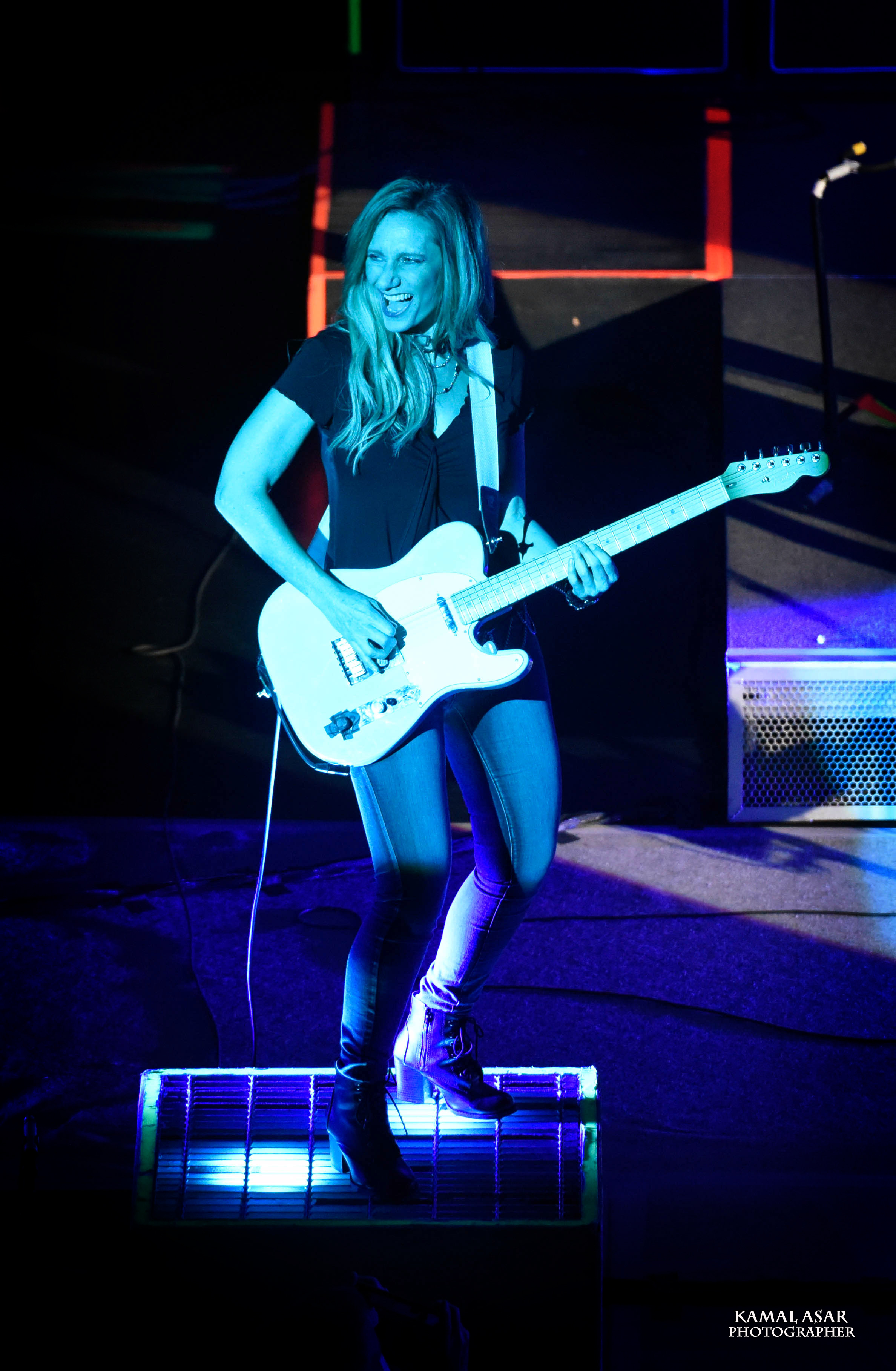
An accomplished jazz pianist, Beth contributes keyboard skills, rhythm guitar, and exceptional vocals joining Boston's current lineup. Gary Pihl states: "I'd seen some YouTube videos of Beth singing all kinds of stuff, but when I heard her sing lead on our song, 'Surrender,' I knew right away that she was gonna be great on stage with us."
Outside touring, Beth serves as a top Miami vocal coach working with established artists and emerging performers. She says: "It's a wonderful way to help singers live the dream I get to live every day." Beth sits on the Recording Academy Board of Trustees, the organization overseeing Grammy Awards.
For more information visit beth-cohen.com.
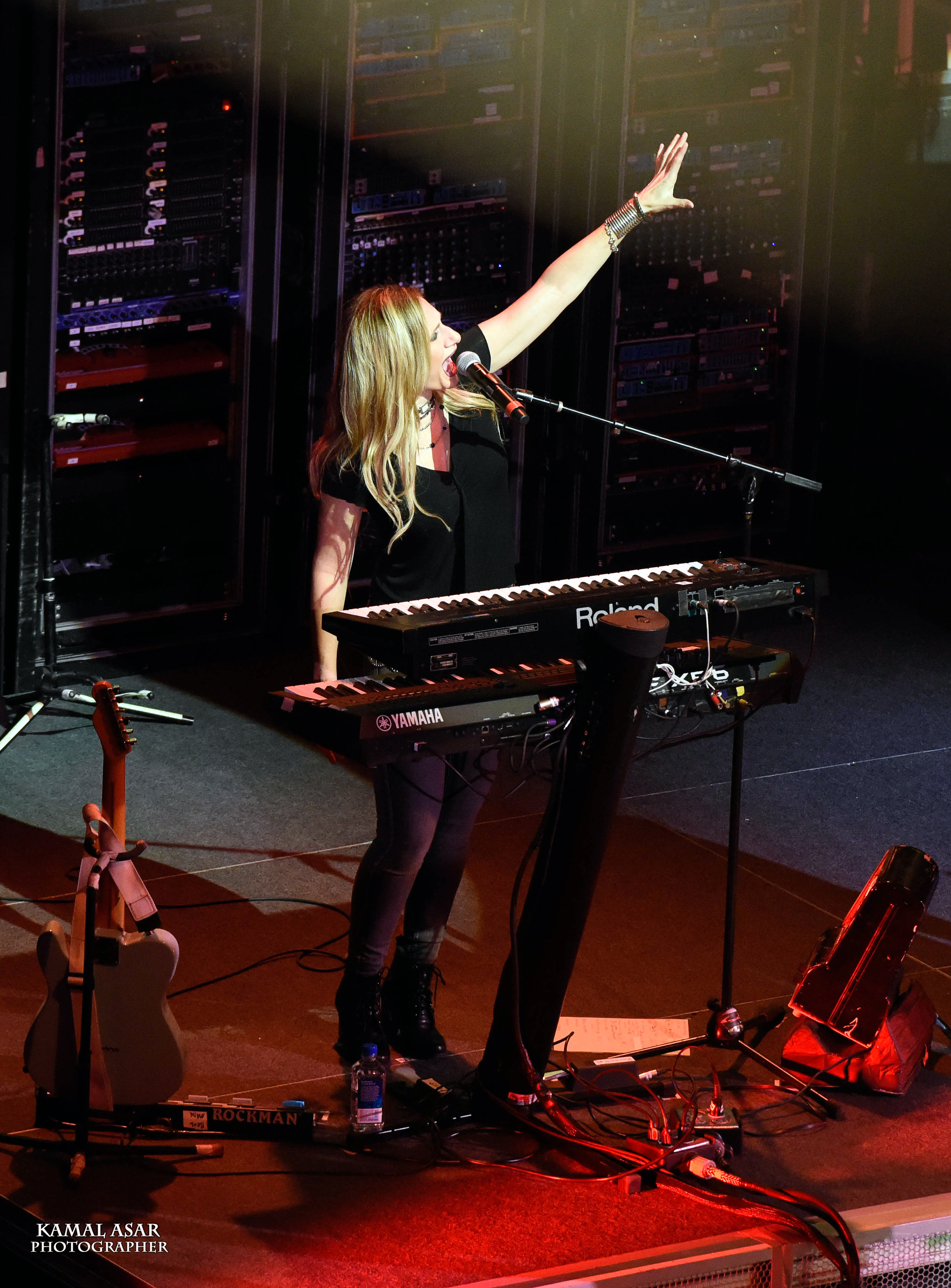
Past Performers
BRAD DELP
June 12, 1951 – March 9, 2007
Lead Vocals - Guitar - Keys - Harmonica
Live shows 1976 to 2006
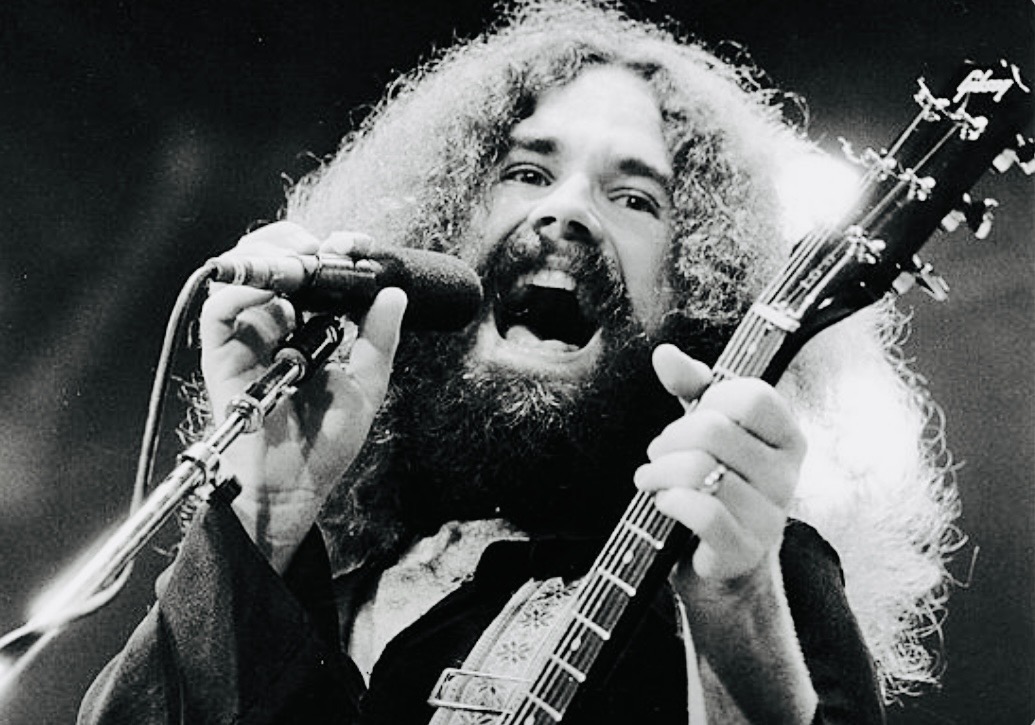
TOMMY DECARLO
April 23, 1965 – March 9, 2026
Lead Vocals - Keys
Live Shows 2008 to 2017
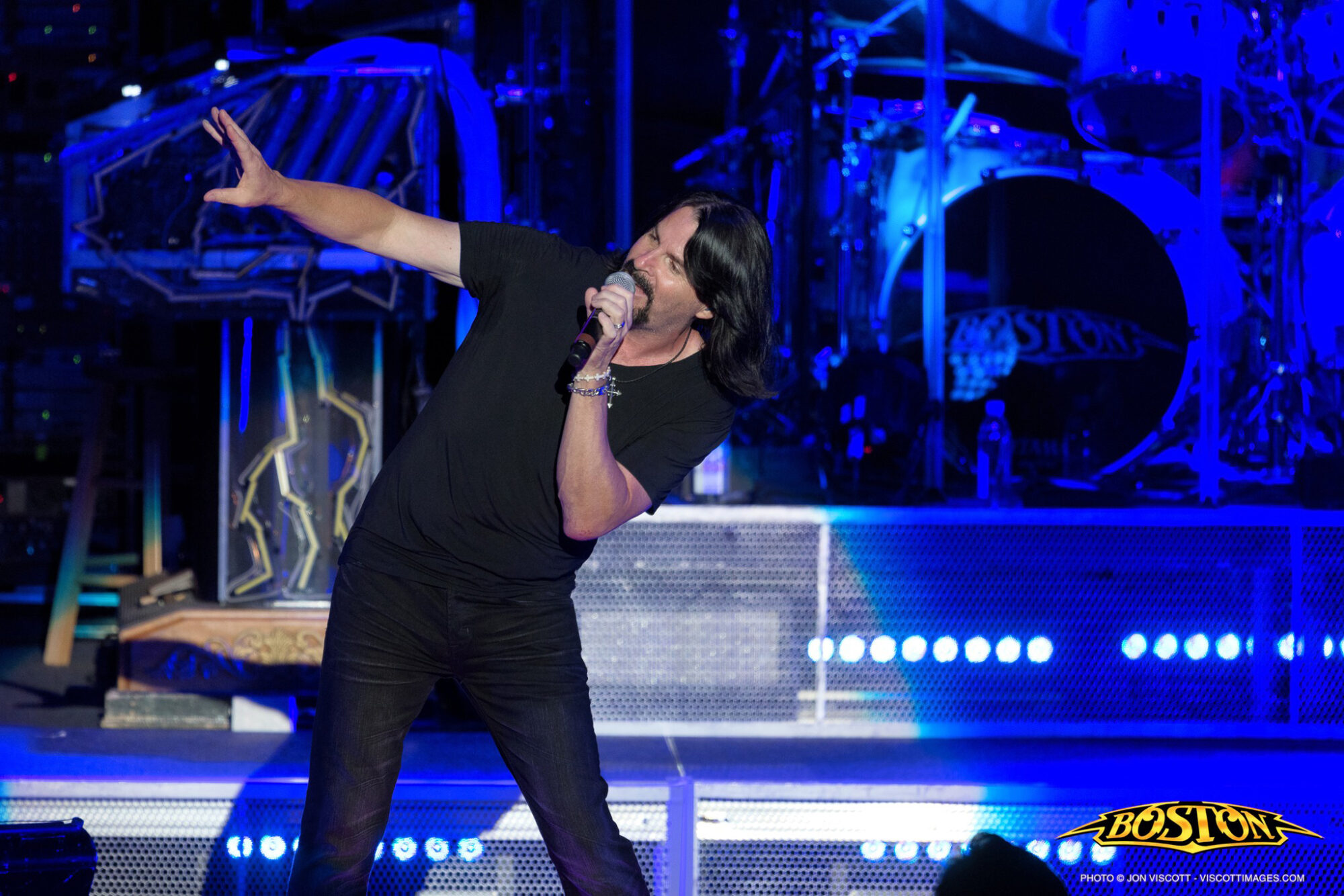
John Thomas "Sib" Hashian
August 17, 1949 -March 22, 2017
Drums - Vocals
Live shows 1976 to 1979
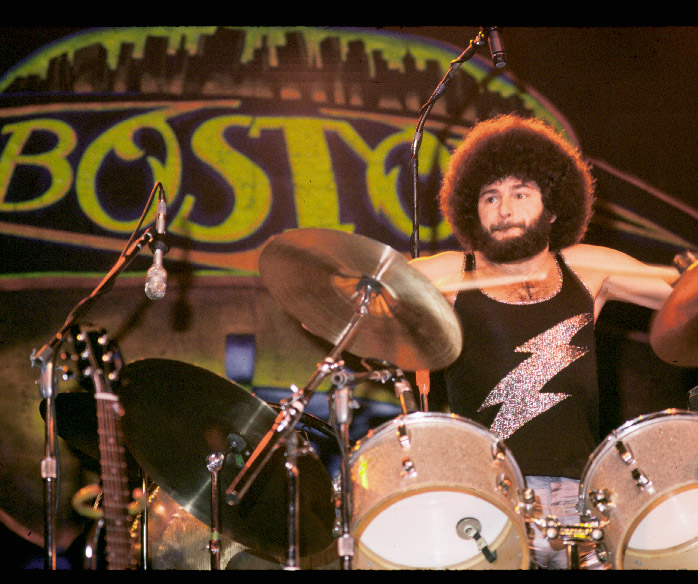
Barry Goudreau
Guitar - Vocals
Live shows 1976 to 1979
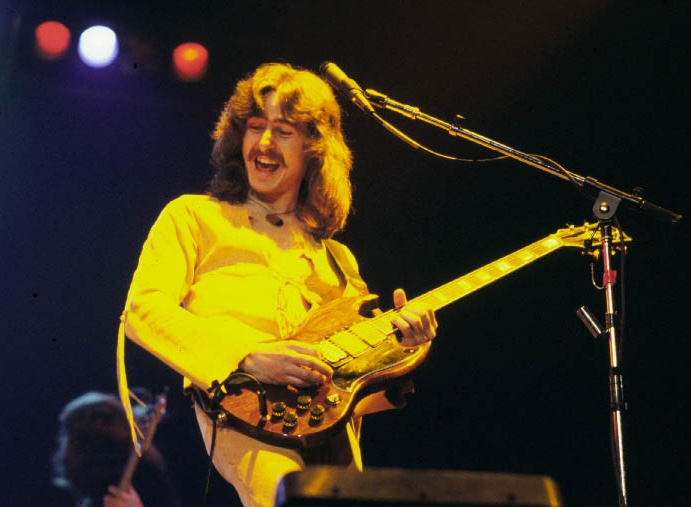
Fran Sheehan
Bass - Vocals
Live shows 1976 to 1979
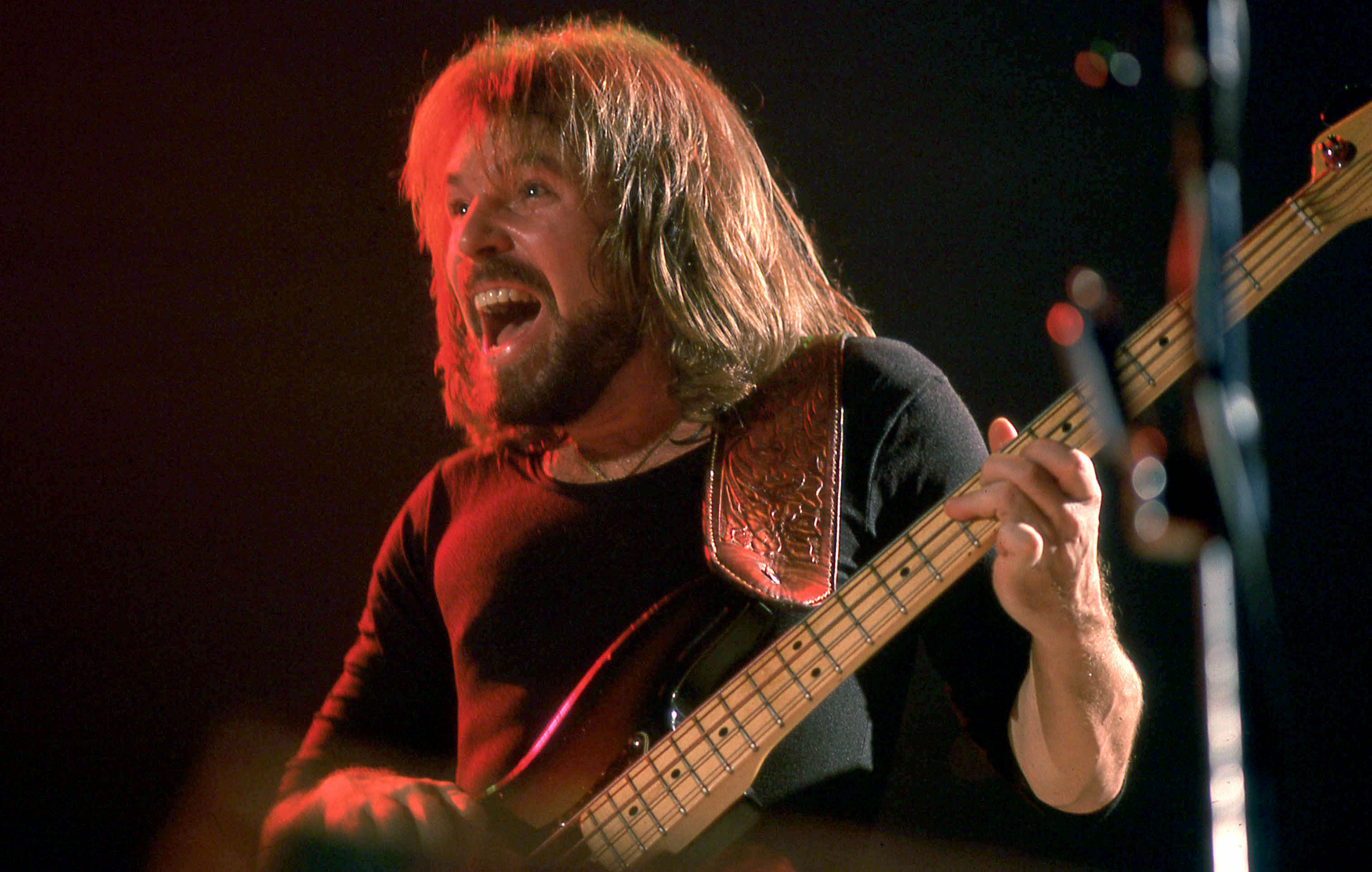
Jim Masdea
Drums
Live shows 1987
David Sikes
Bass - Vocals
Live shows 1987 to 1997
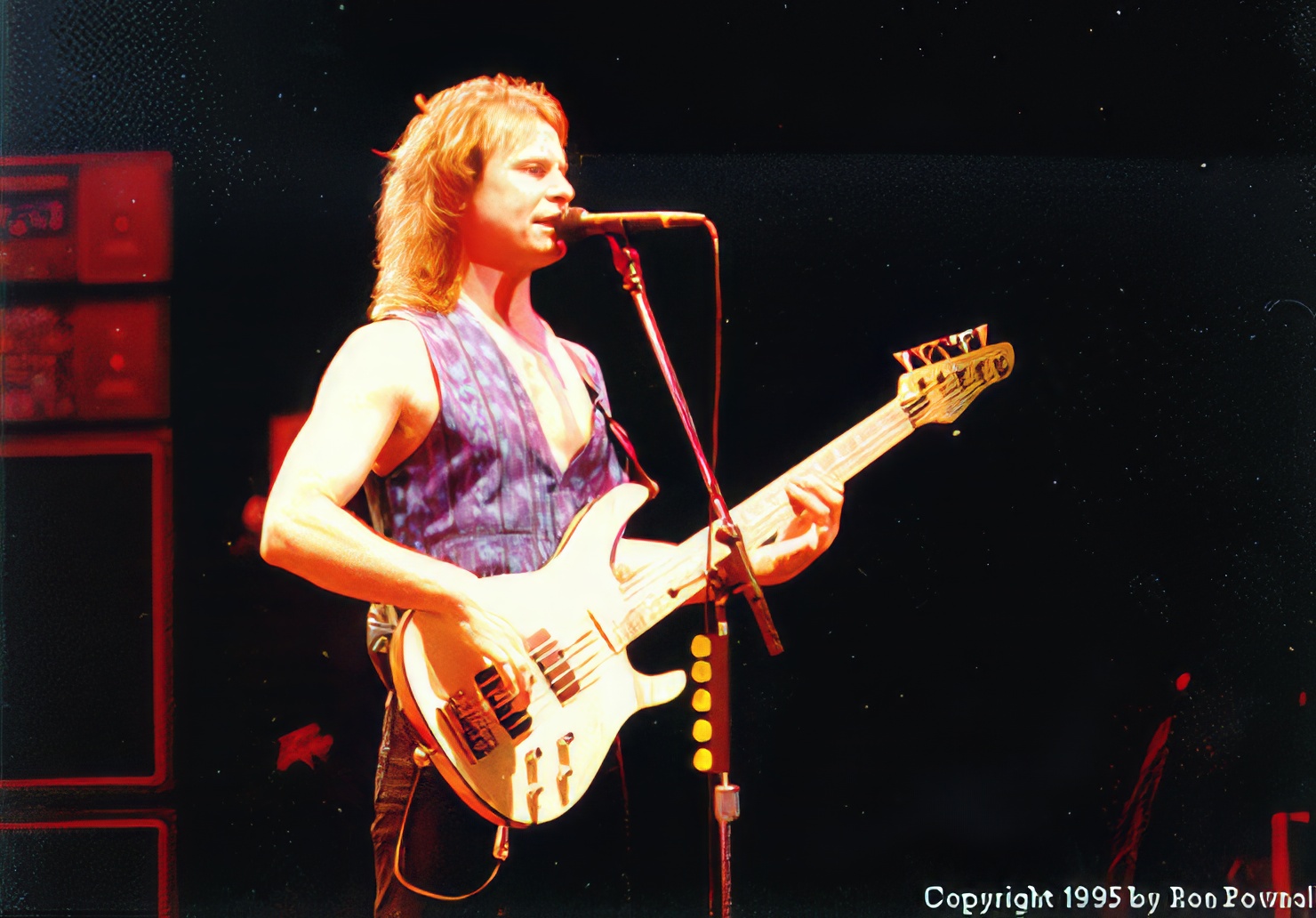
Doug Huffman
Drums - Vocals
Live shows 1987
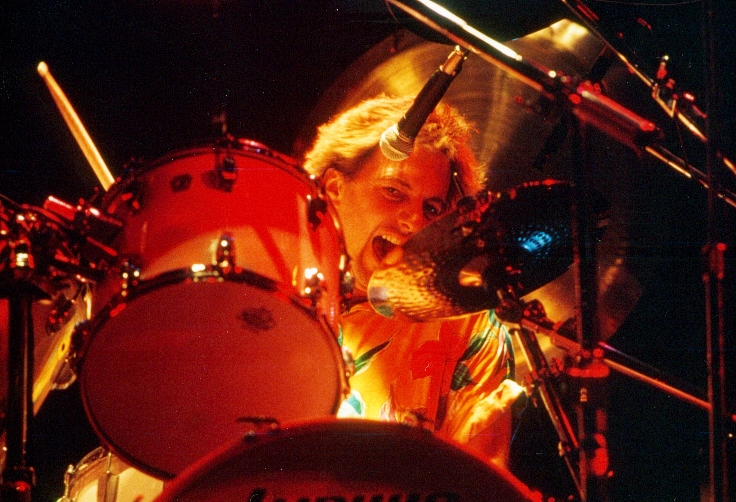
Fran Cosmo
Vocals - Guitar
Live shows 1994 to 2004
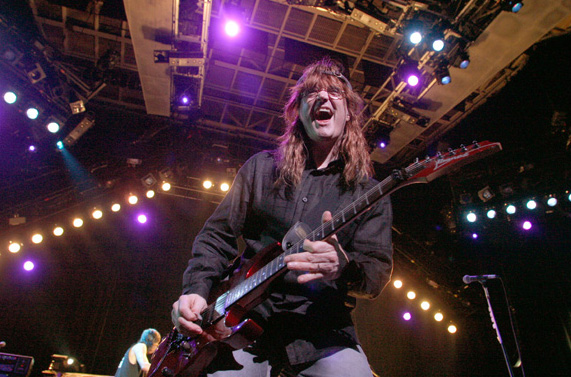
Kimberley Dahme
Guitar - Bass - Flute - Vocals - Keys
Live shows 2003 to 2014
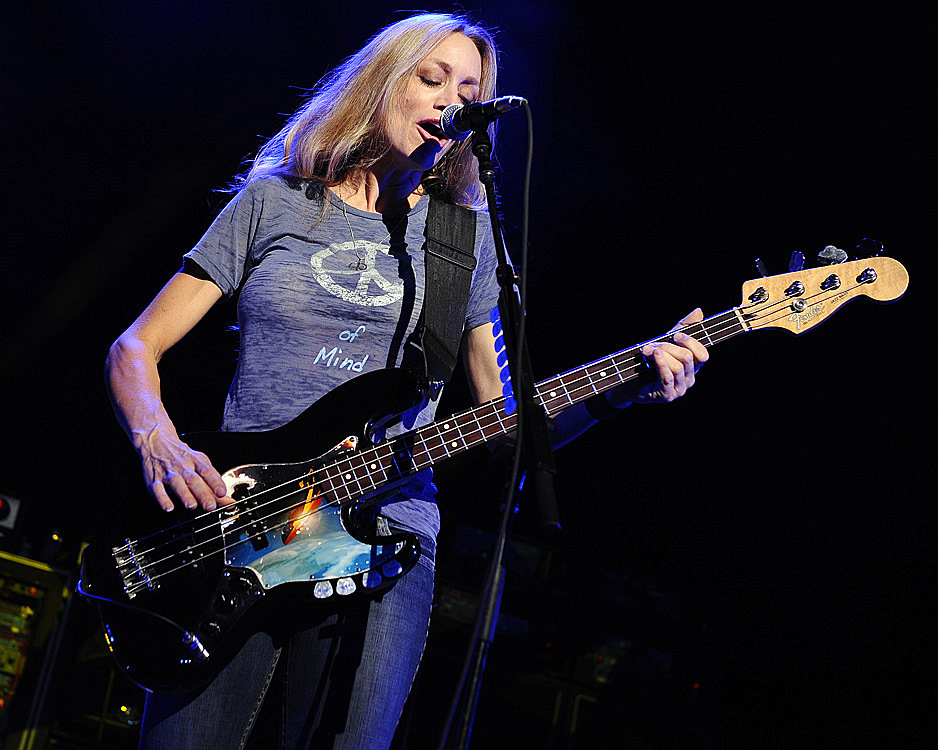
Anthony Cosmo
Guitar - Vocals
Live shows 2003 to 2004
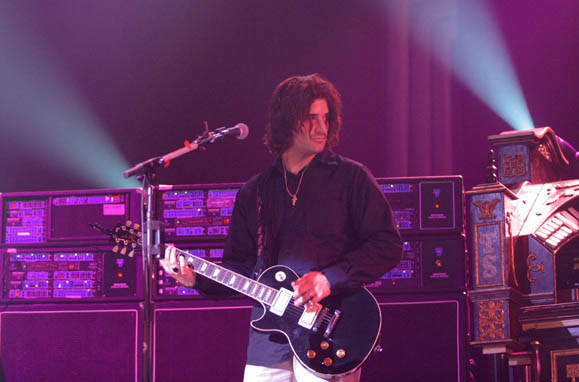
Michael Sweet
Guitar - Vocals
Live shows 2008
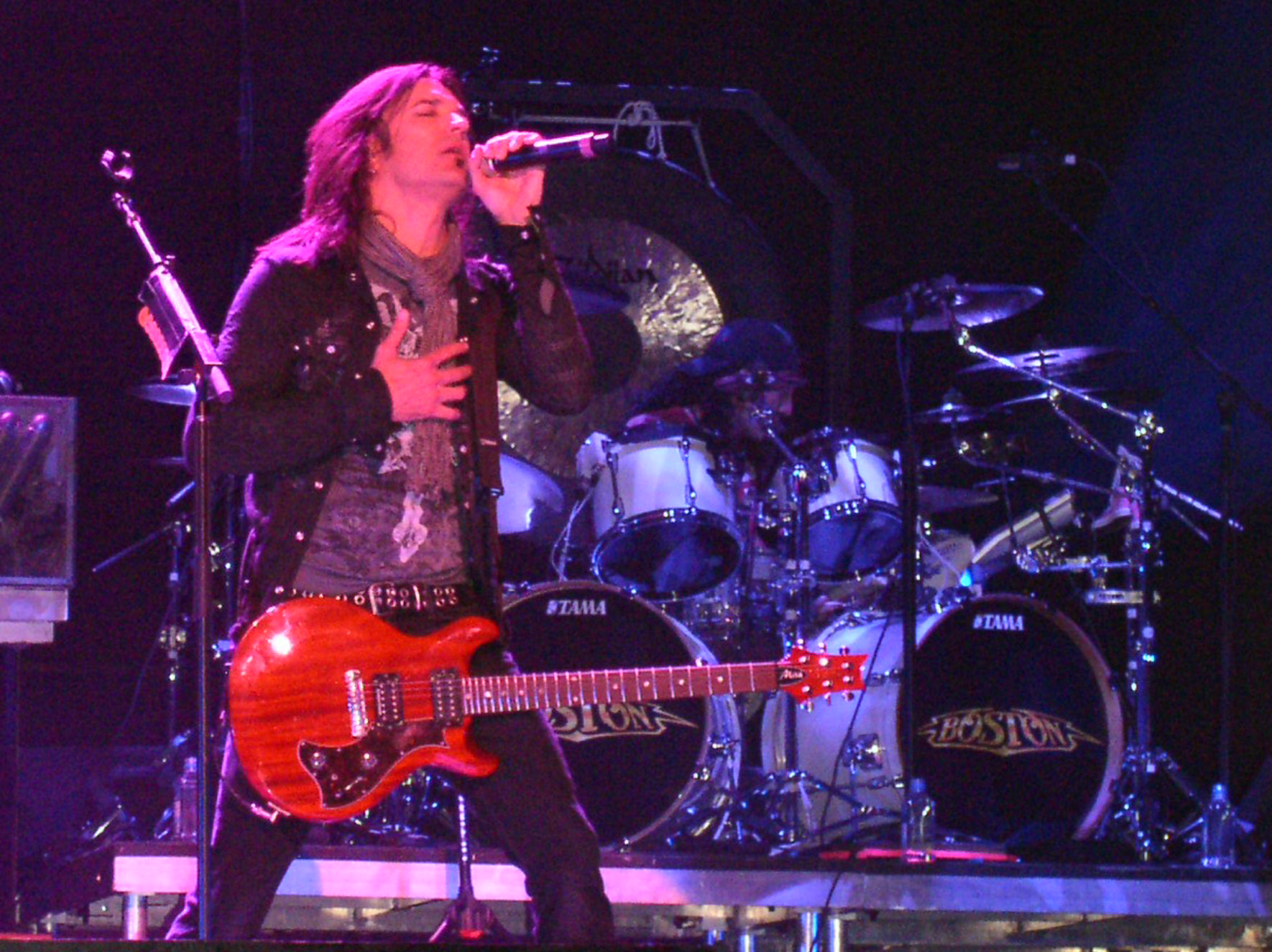
David Victor
Guitar - Vocals
Live shows 2012 to 2014
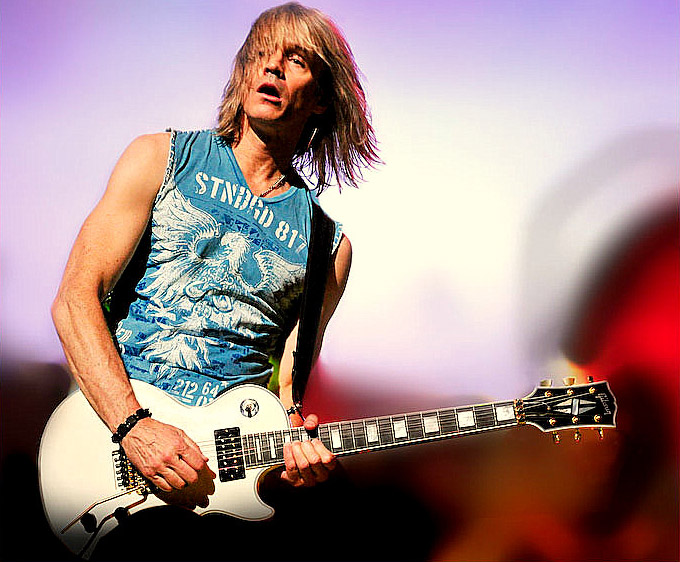
Siobhan Magnus
Vocals
Live shows 2014
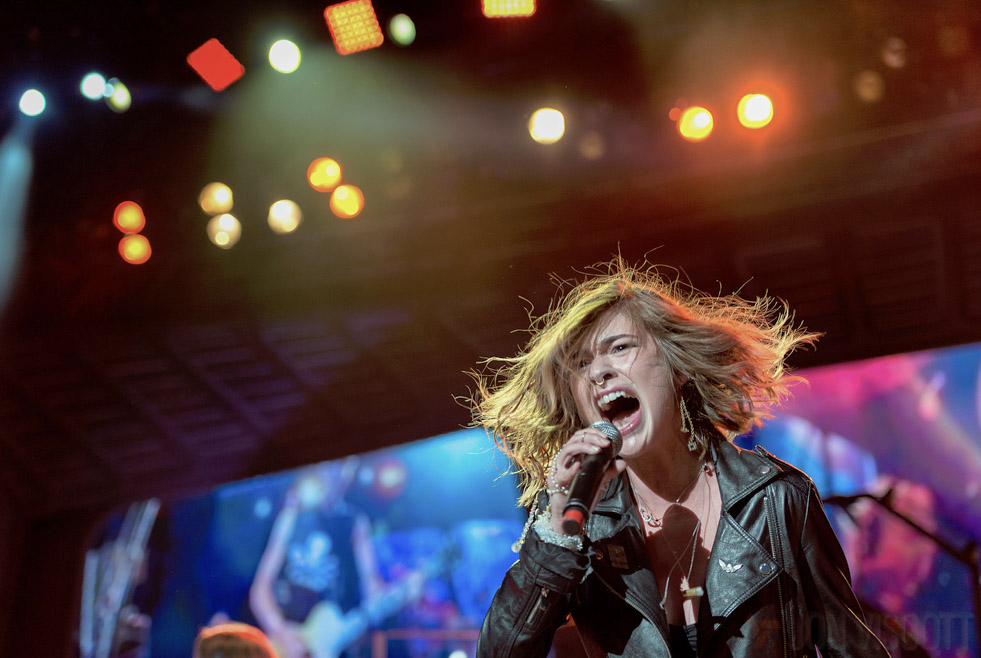
On Stage
A wall of moments — click any photo to view.